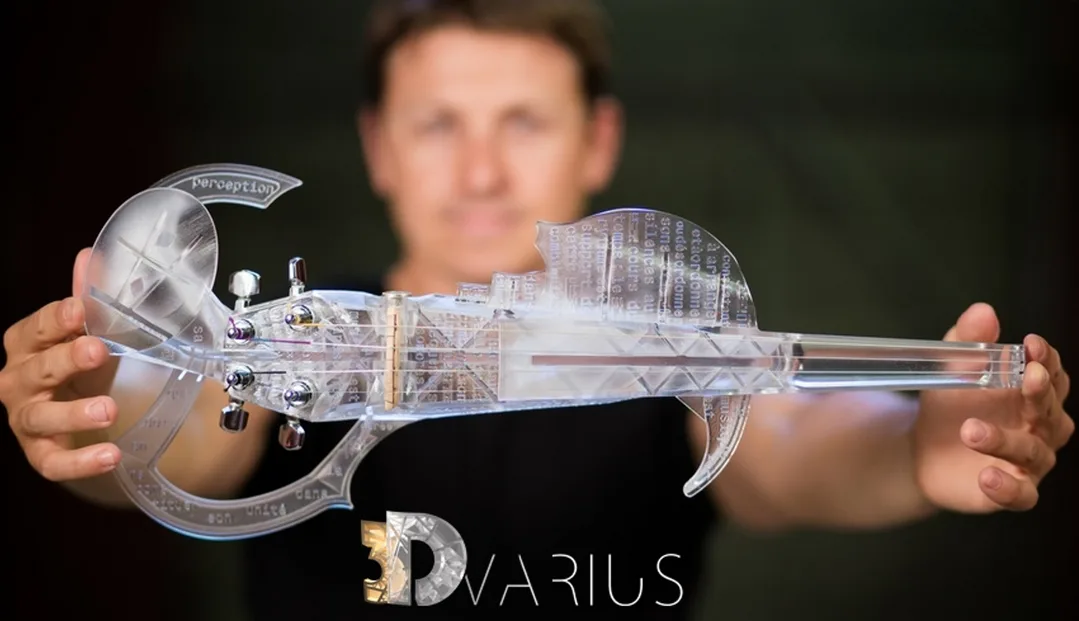
The 3Dvarius was born digitally in 2012, in Laurent Bernadac’s mind, the violinist and engineer who conceived it on his computer. He wanted to create an electric violin which could fulfill all the needs of a classical musician.
The 3Dvarius is an electric violin created by 3D printing technology and based on the model of a real Stradivarius violin.
Laurent Bernadac made it with a revolutionary design, at the service of the more demanding violinists.
Its body is printed as a single piece, thus departing from traditional musical instrument production, giving it a very unique property: it allows for smooth, optimal sound-wave flow throughout the instrument, offering the violinist greater sound control.
Combining the precision and power of 3D-printing with ancient violin-making skills, its innovative design, in the service of violinist, marks a further step towards the perfect symbiosis between musician and instrument.
The 3Dvarius has been created with the sole purpose of becoming one with its future violinist:
Its weight distribution is optimized, not to hinder the musician’s movements.
It can use any violin shoulder rests and so adapt itself to any morphology.
It borrowed my tuning pegs from the best guitars to limit its weight and facilitate its tuning.
The quality of its sound sensor is so good that the 3Dvarius doesn’t use any preamp.
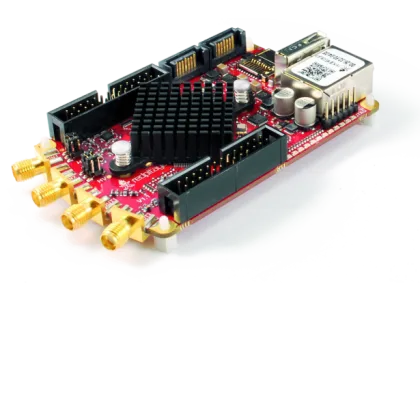
[youtube id=”0721A1kZ3s0″ width=”620″ height=”360″] Here we present a tool to measure and acquire data. It is open source, and made by using the Xilinx Zynq 7010 Soc. It was funded with KickStarter and it is suited to be customized and adapted to various application exigencies. The idea, which required funds for 50.000$ for its…
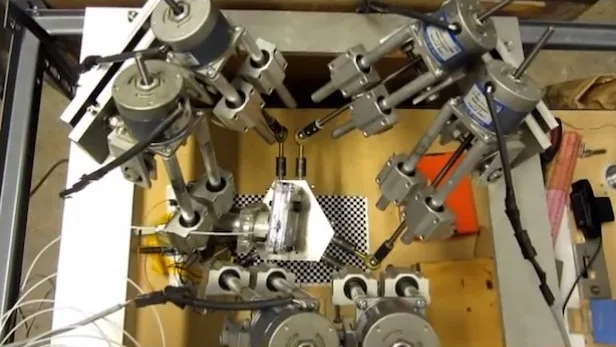
According to 3Ders (http://www.3ders.org/articles/20131006-6-axis-3d-printer.html) this video shows preliminary works for a 6-axis 3D Printer using Parallel Kinematics driven by a KFLOP board Most additive manufacturing processes are layer-based with only three-dimensional motions in the X, Y and Z axes. However, there are drawbacks associated with such limited motions, e.g. non-conformal material properties, stair-stepping effect, and limitations…
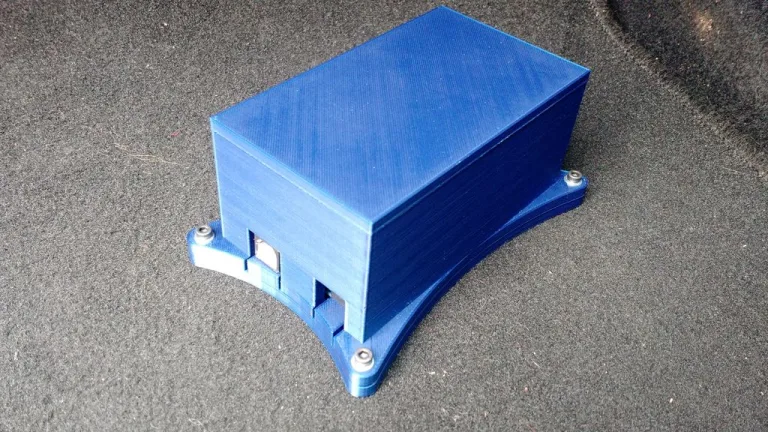
Monitoring driving habits can be interesting, but make your own telematics box, giving you total control over how data is collected and used, could be better! That’s just what maker TheForeignMan did, using an Arduino Mega to take in data from his car’s OBD-II port, along with position information from a GPS module. Vehicle speed, engine RPM,…
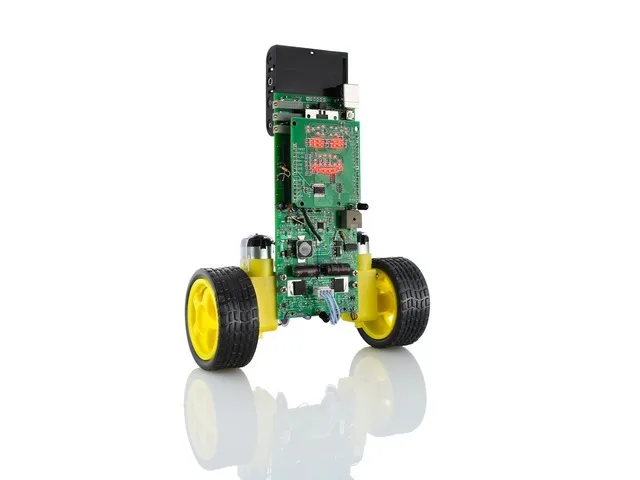
A cool kid’s project, looking for funds! Looks like on the way to get funded. Smiley face A low-cost, open-source, Arduino-compatible balancing robot for learning, hacking and delight How it started Last winter, I promised my eight-year-old son to build a little balancing robot that he could program. One thing led to another, and this robot…
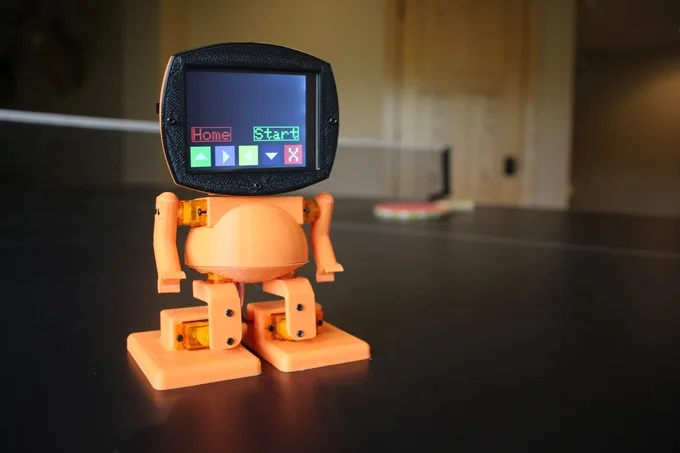
Tyro Electronics have created a new DIY robotics kit and humanoid robot aptly named TyroBot, which has been designed to help teach those interested more about robotics and programming. The DIY robot kit is available with 3D printed parts if you do not have access to a printer, and is completely open source and built…
Interesting project on Indiegogo that was submitted via our Submit news channel. Here is Shield I/O, the first BeagleBone Black cape which adapts Arduino Shields to your BeagleBone Black. With Shield I/O it doesn’t matter if you’re using 3.3V or 5V logic or up to 5V analog inputs. It comes with dedicated level shifters for…
Open-Electronics.org is the brainchild of a world leader in
hobby electronics Futura Group srl. Open-Electronics.org is devoted to support
development, hacking and playing with electronics: we share exciting open projects
and create amazing products!
Open-Electronics.org is not just a container of ideas: it is also a web site lead
by a team of engineers and geeks who will take part in the discussions and give
support.
Our mission is to become a reference Open Source hacking site
with ideas and feedback aimed to enrich the community.