
Mini Electronic Piano with 555 Timer
Build a simple seven-note electronic keyboard using the versatile 555 timer IC. This project explains the astable multivibrator configuration and how to calculate resistor values for musical notes.
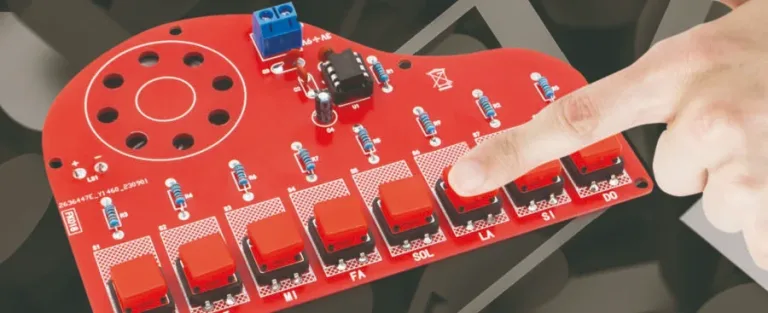
Build a simple seven-note electronic keyboard using the versatile 555 timer IC. This project explains the astable multivibrator configuration and how to calculate resistor values for musical notes.
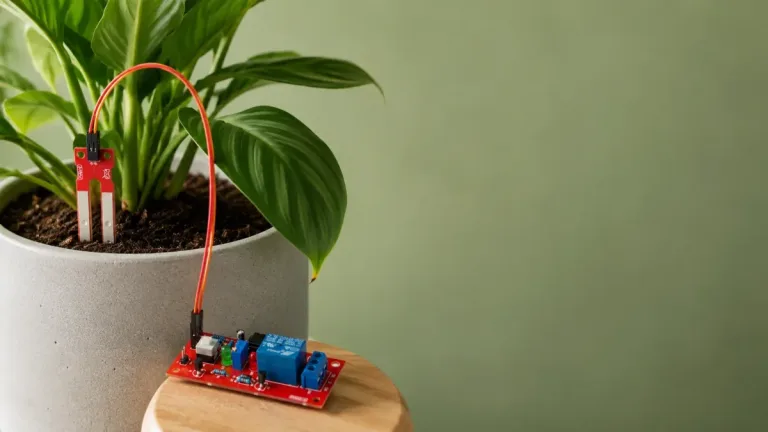
Build a simple soil moisture threshold detector with a PCB fork sensor, an LM393 comparator, and a relay output for visual and local control.
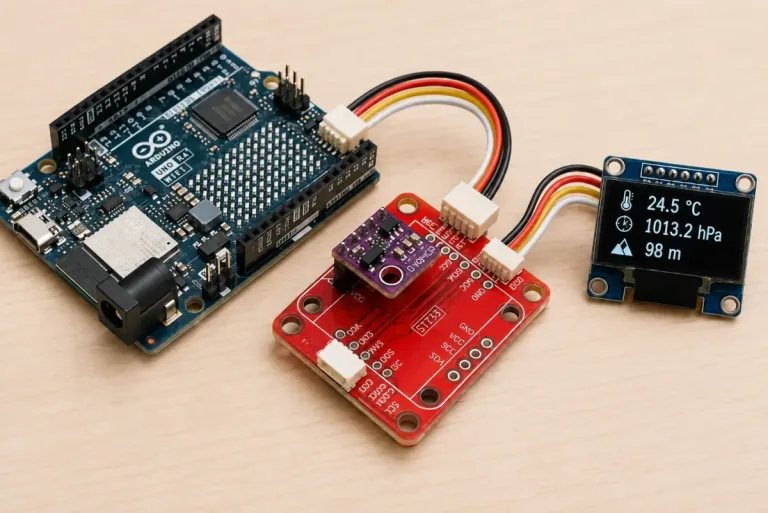
Learn how to use the STEMMA QT/Qwiic connector on the Arduino UNO R4 WiFi to connect I²C sensors and displays, with a custom adapter board and example code.
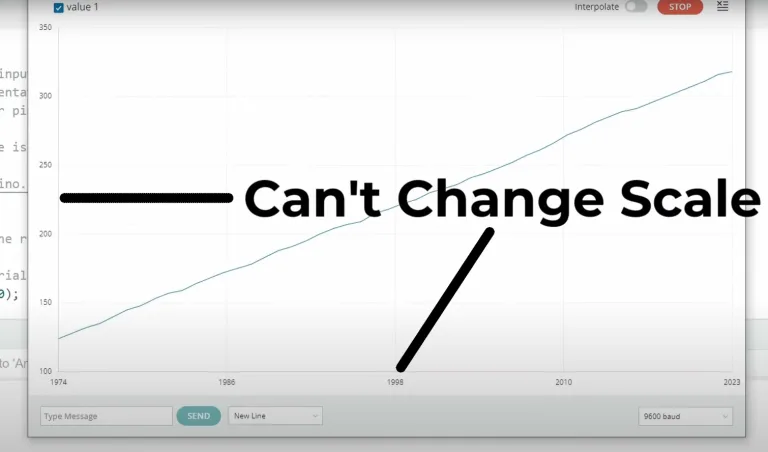
The Serial Plotter in Arduino is an excellent tool for quickly visualizing serial data. However, it has a limitation that can frustrate many users: it’s not immediately obvious how to adjust the X and Y axis scales, especially the X axis. In this article, I will guide you step by step on how to solve…
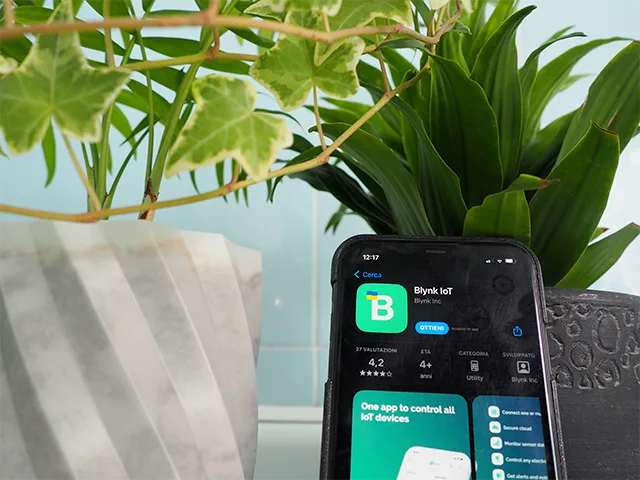
Among the simplest platforms for connecting IoT devices is Blynk IoT. Blynk allows you to quickly create apps to control wireless modules, visualize data from sensors, create dataloggers, and much more. In this two-part mini course, Michele Maffucci provides detailed explanations on how to make the most out of Blynk.
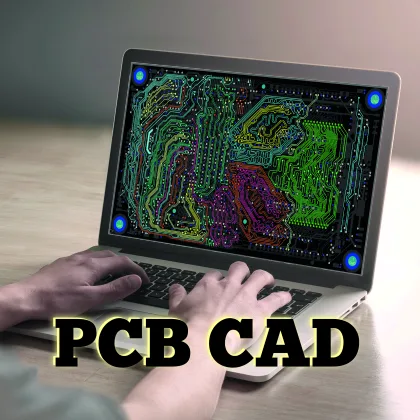
Getting to know and evaluate the software offer for PCB, in order to choose the best one for our needs. Designing an electronic board is a considerable and varied effort, both in terms of board design, starting from its functional specs, and in terms of construction. In order to create an integrated board, we…

https://www.youtube.com/watch?v=fG55OmGgqmQ&feature=youtu.be&ab_channel=PCBWay A sensor converts data such as heat, light, sound, and motion into electrical signals. These signals are passed through an interface that converts them into a binary code and passes this on to a computer to be processed. Today, let’s see how makers use plenty of sensors to build their awesome projects! …
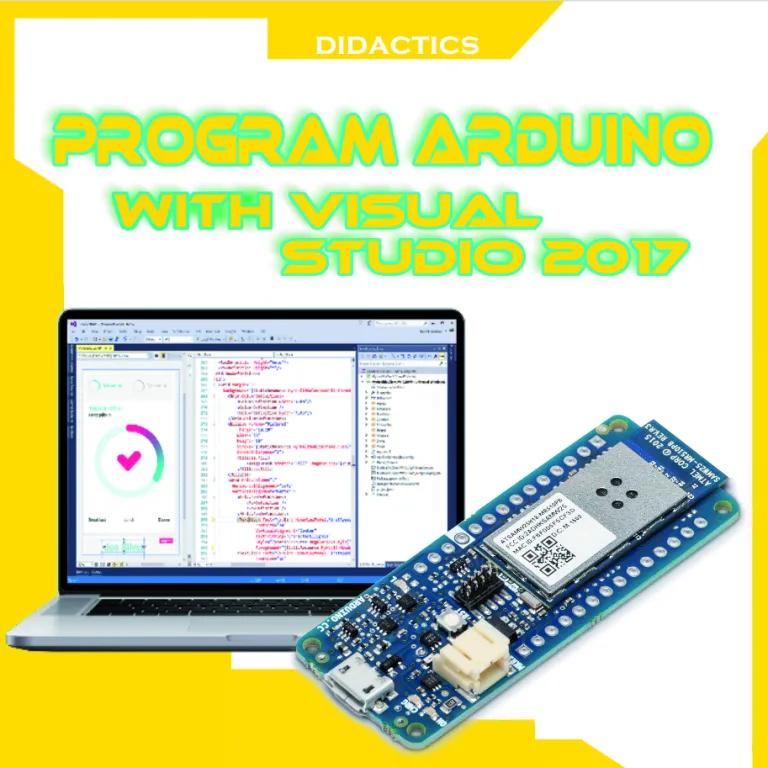
Let’s discover the programming environment that facilitates interaction between software and electronic devices. Electronics and IT have many things in common, we just need to know that the latter would not exist without the former. So yet, we tend to consider IT as a world apart and for this reason, we often do not…
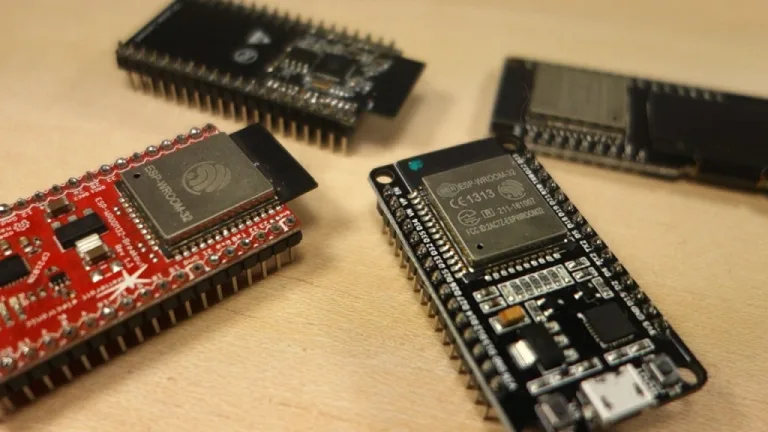
This article is a getting started guide for the ESP32 development board. If you’re familiar with the ESP8266, the ESP32 is its sucessor. The ESP32 is loaded with lots of new features. The most relevant: it combines WiFi and Bluetooth wireless capabilities and it’s dual core. From OpenStore More info
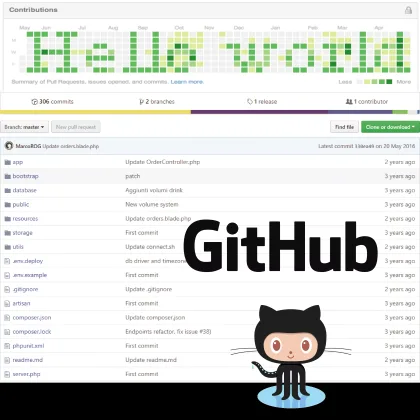
Let’s learn all the aspects of the most renowned web hosting service, and familiarise with it, thanks to a sample application. In the previous post, we let you know Git and in particular, we focused on explaining how to use it in order to archive a firmware project on your PC and to…
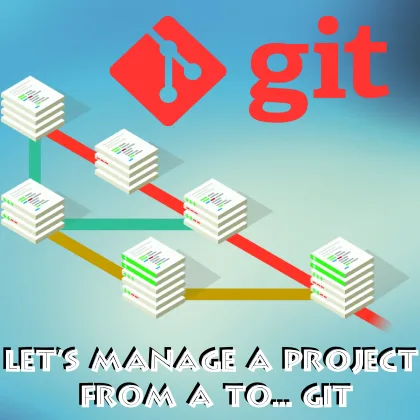
Let’s learn about the firmware management and versioning tool that is at the root of GitHub, and to be able to use it. In order to become a good programmer, it is not enough to know the most popular programming languages, to know how to write the corresponding code, to create more or less…
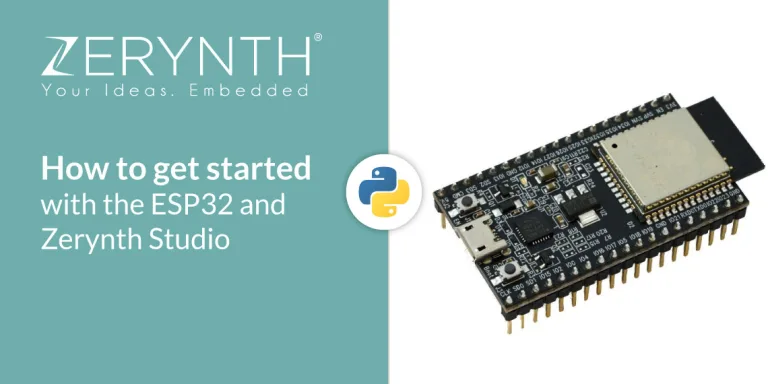
The ESP32 from Espressif is one of the most popular low-power microcontrollers with integrated WiFi and Bluetooth on the market. That is why we have decided to share a tutorial with you on how to get started with the ESP32 and Zerynth Studio. As an article on the Espressif website states: “Zerynth has provided the…
Open-Electronics.org is the brainchild of a world leader in hobby electronics Futura Group srl. Open-Electronics.org is devoted to support development, hacking and playing with electronics: we share exciting open projects and create amazing products!
Open-Electronics.org is not just a container of ideas: it is also a web site lead by a team of engineers and geeks who will take part in the discussions and give support.
Our mission is to become a reference Open Source hacking site with ideas and feedback aimed to enrich the community.