Arduino Keeps Evolving Across Makers, Industry, and AI
The world of embedded electronics is characterized by constant evolution, and Arduino represents one of the most emblematic cases of a platform capable of growing over time while maintaining simplicity, flexibility, and accessibility. Born in 2005 as an open-source project aimed at makers, hobbyists, and students, Arduino is today a complete family of single-board computers also used in industrial and professional contexts.
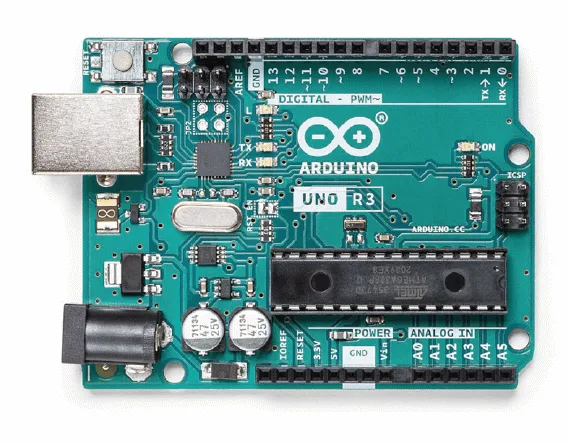
The first Arduino boards stood out for their bare-metal approach, which allows direct interaction with hardware without the need for complex operating systems. This allowed many users to approach embedded programming and electronic prototyping through a simple development environment and easily integrable libraries. The introduction of shields further expanded the application possibilities, fostering the birth of a vast ecosystem of compatible modules.
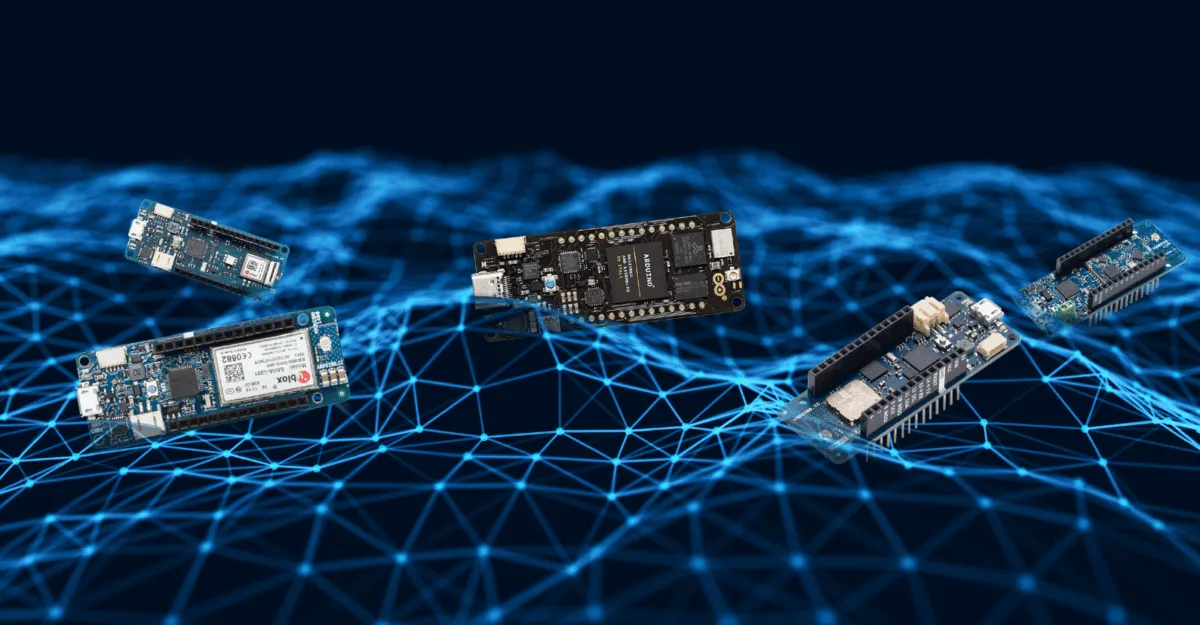
Over the years, Arduino has significantly expanded its product portfolio. The Classic family includes historic boards such as the UNO, evolved over time with more performant versions equipped with wireless connectivity and integrated peripherals. Alongside these, the Nano series offers compact solutions designed for space-constrained applications, often with integrated sensors and support for MicroPython and machine learning algorithms.
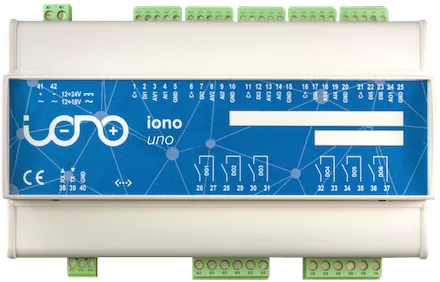
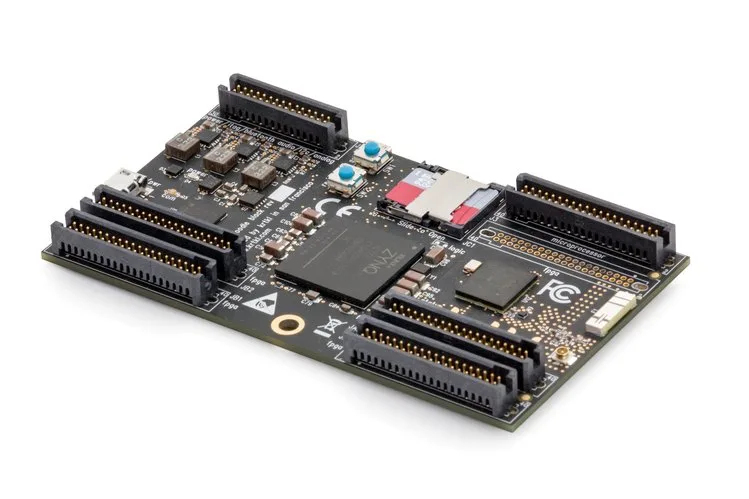
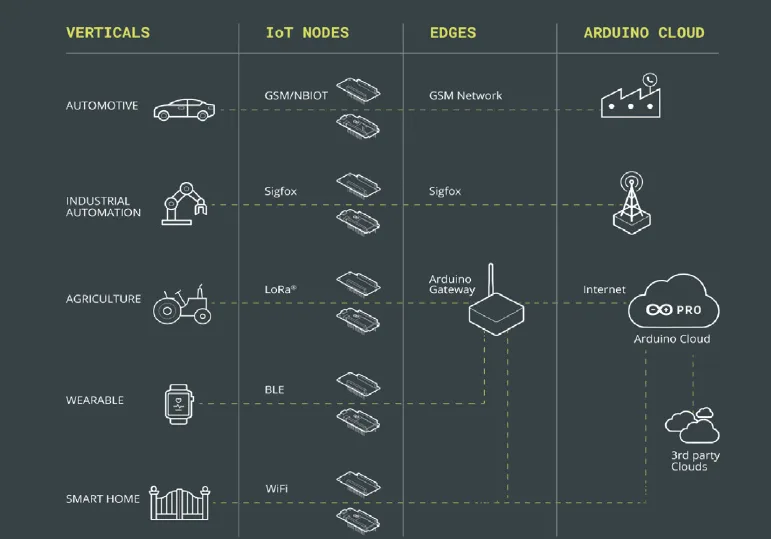
The MKR range focuses on wireless and cellular communications for IoT applications, particularly in remote and battery-powered contexts. In parallel, Arduino has extended its reach into the professional sector with solutions designed for industry, such as the Portenta, Nicla, and Opta families. These platforms offer high performance, support for machine learning, industrial-grade sensors, and features typical of automation and control systems.
To support the entire ecosystem, Arduino provides easy-to-use development environments and cloud platforms for device and data management. This combination of hardware and software demonstrates how Arduino has managed to transform from a maker tool into a scalable solution for professional embedded and IoT applications.
On this evolutionary path, Mouser Electronics has created a white paper dedicated to analyzing in detail the development of the Arduino platform, the different board families, and the main application areas. The white paper is available for free download and represents a useful technical resource for makers, designers, and professionals interested in exploring the potential of the Arduino ecosystem.