Power from a candle: practical test of a thermoelectric module lamp
In this video, the author builds and tests a small lamp powered by the heat of a candle using thermoelectric generator (TEG) modules. The goal is to see how practical it really is to harvest electrical energy from a simple flame. The project is an engineering experiment that looks at efficiency, limitations, and possible real-world uses of this technology.
The system is not meant to replace traditional lighting solutions. Instead, it directly evaluates the actual performance of thermoelectric modules in a simple, controlled scenario.
Mechanical structure and operating principle
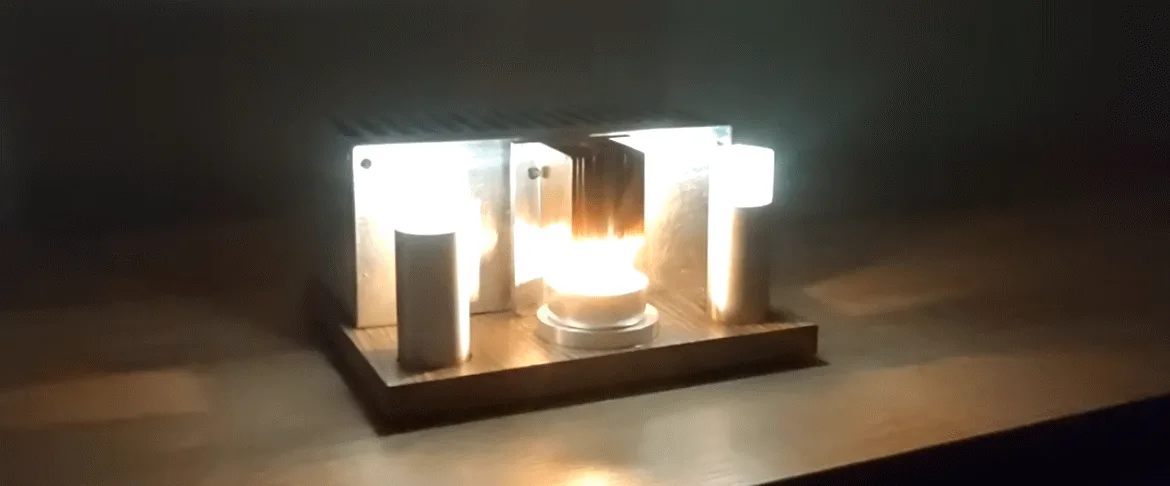
The author builds a metal frame with the candle placed at the base. Above the flame, he mounts a block made of TEG modules, clamped between two metal masses that act as heat sinks.
The side facing the flame heats up directly. The opposite side is connected to heat sinks and finned surfaces that cool down thanks to the surrounding air. This creates the temperature gradient the modules need to work.
To improve heat transfer, the author pays close attention to the contact between surfaces. He tightens the modules with screws or brackets to increase thermal conduction. He also arranges the geometry of the structure so the flame’s heat spreads fairly evenly across the hot side.
Electrical section and voltage regulation
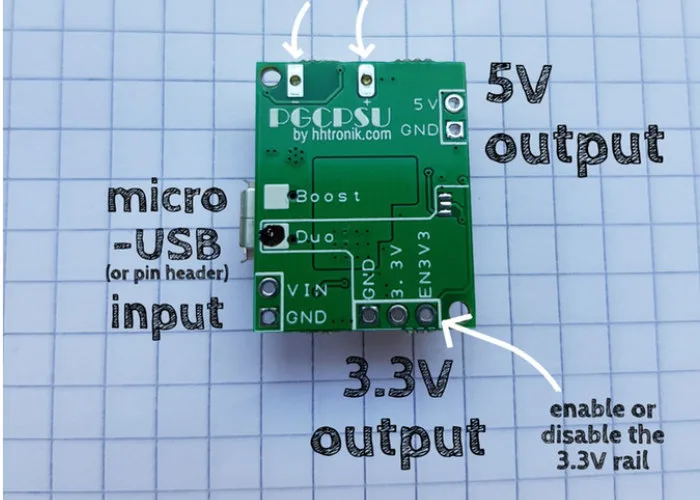
The TEG modules produce a low DC voltage that varies with the temperature difference between the hot and cold sides. To make this energy usable, the author adds a regulation circuit.
He uses a converter, such as a step-up or a dedicated TEG regulator, to boost and stabilize the voltage. This lets him power LEDs at the right level and keep the light fairly steady, even when the flame flickers or the temperature shifts slightly.
The LEDs light up the surrounding area. Compared to the candle alone, the perceived light increases because the system converts part of the wasted heat into directed electrical light.
Measurements, power, and system limits
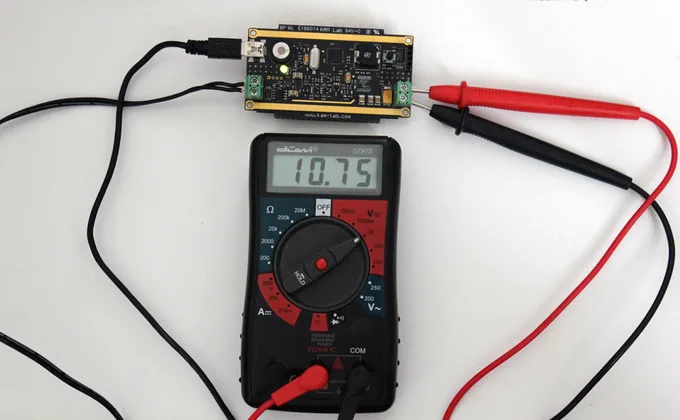
During the test, the author measures voltage and current to estimate the available power. The result is in the order of fractions of a watt. This is enough to power a few LEDs, but it cannot support heavier loads.
The experiment also highlights the low overall efficiency of TEGs. A large portion of the candle’s energy is lost as heat. Only a small percentage is converted into electricity.
Performance also depends heavily on the temperature difference between the two sides of the module. If the heat sink does not cool effectively, or if the flame weakens, the power drops quickly.
Possible practical applications
In his final thoughts, the author makes clear that this system is not an efficient way to generate energy from a dedicated candle. However, it can make sense when it uses heat that is already available and would otherwise be wasted.
For example, the heat from a camping stove, a wood stove, or a brazier can power TEG modules to generate a small amount of energy. In these settings, the system can support emergency lights or small devices.
The experiment therefore demonstrates in a concrete way the potential and the limits of thermoelectric generation in micro-generation and off-grid scenarios.
Learn more about Peltier cells in this video