
Arduino Nano ESP32 LED Matrix Clock with WiFi Time Sync
Build a compact digital clock using an Arduino Nano ESP32 and a MAX7219-driven 8×32 LED matrix, with WiFi time synchronization, BLE setup, and automatic brightness control.
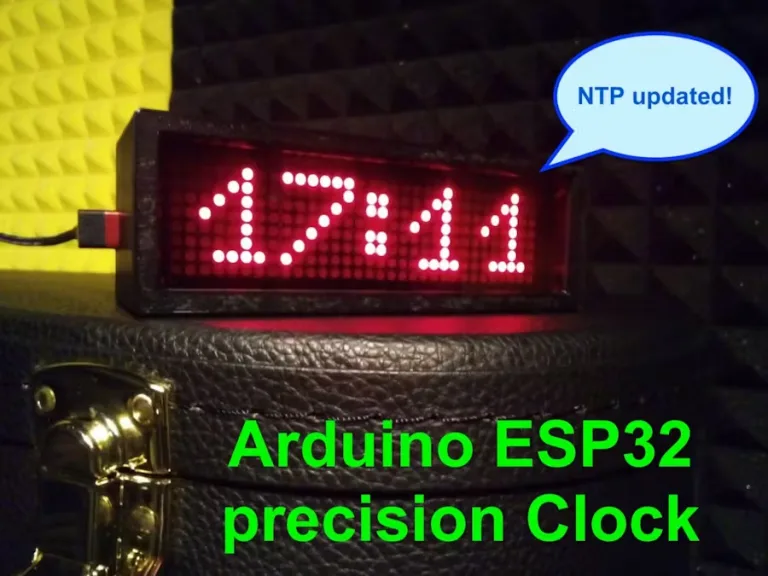
Build a compact digital clock using an Arduino Nano ESP32 and a MAX7219-driven 8×32 LED matrix, with WiFi time synchronization, BLE setup, and automatic brightness control.
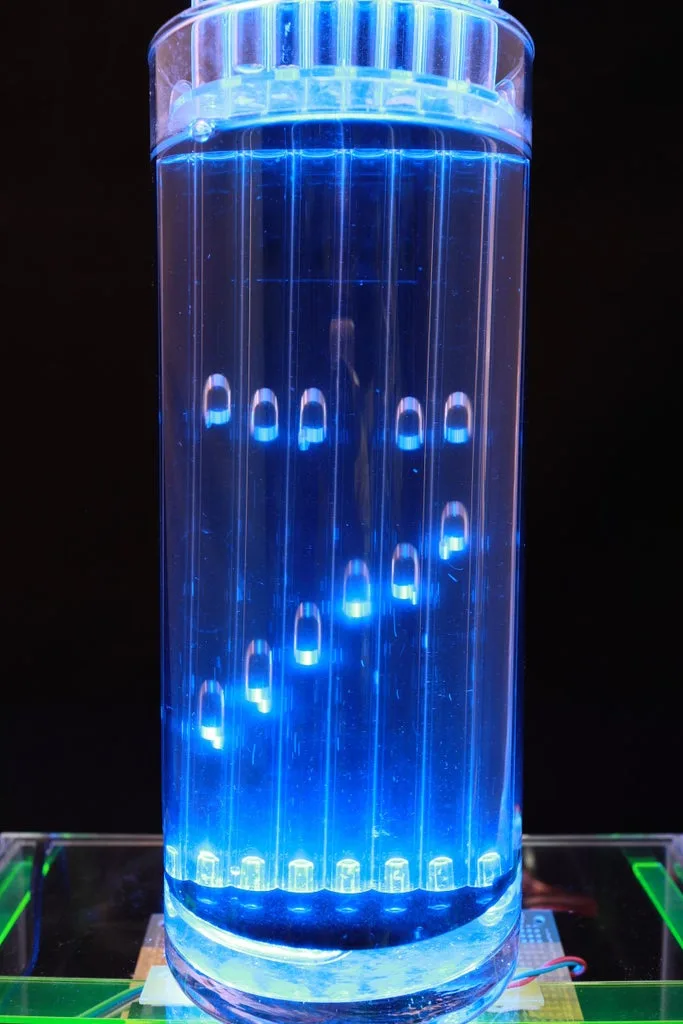
In this project we will see how a clock was created that displays the numbers through air bubbles inside tubes. The system consists of an ESP8266 which, through an I / O Expander MC2301, controls the solenoids that allow the creation of air bubbles inside 8 tubes. There are also a 0.91 “display and 8…
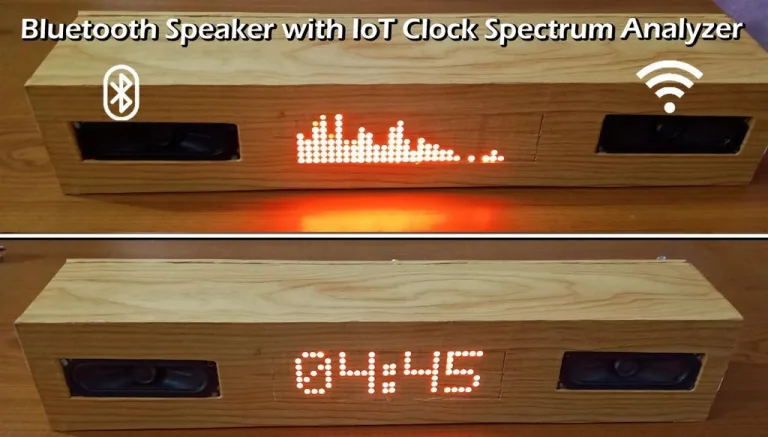
In this project we see how to make a Bluetooth speaker with a clock. It displays date, time, temperature and humidity and it is updated from Internet at 15 minute intervals. It also has a 32-band audio spectrum analyzer that displays different musical patterns. The clock or spectrum analyzer can be displayed while playing music….
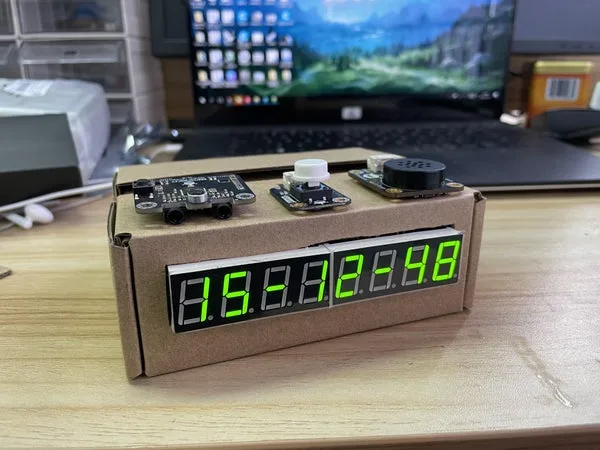
Do you usually have trouble getting up? You set a dozen alarms in the morning, but still can’t wake up? In this project we will try to solve the problem in an alternative and quite creative way by building an alarm clock that will ask random questions. It will stop making noise only if the…
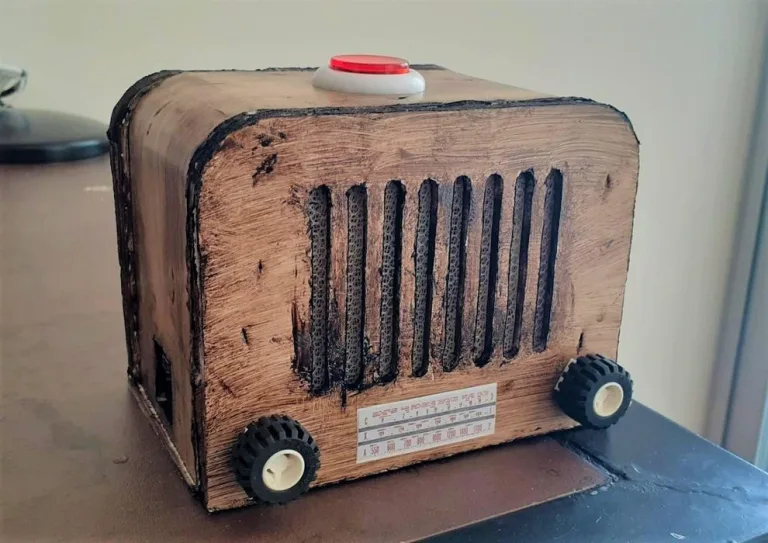
We all know at least one elderly person. Maybe a family member or friend. As they get older, many of them begin to forget things, some as important as taking their medicines. We could be reminding them or we could delegate this task to “Remind-ino”. The project is based on an Arduino Nano which thanks…
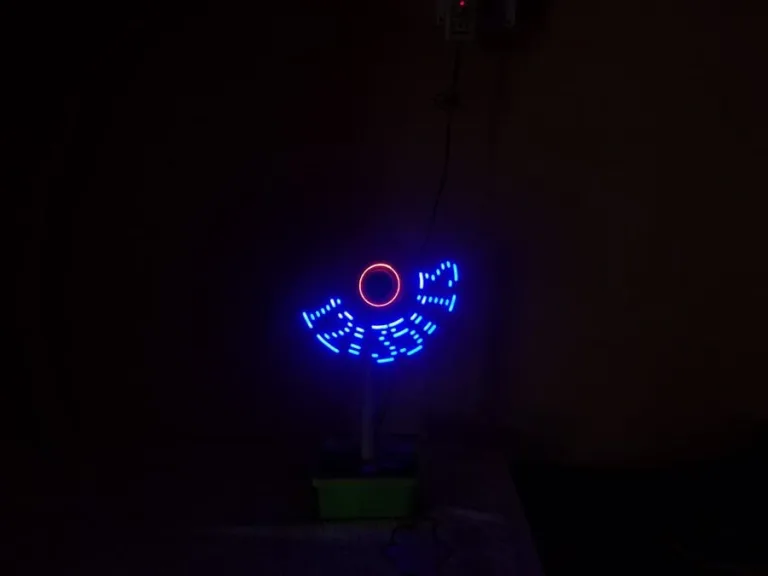
In this project we will explain how to make a POV clock in an easy way. POV stands for persistence of vision. It is a kind of optical illusion in which a visual image seems to persist even when the rays of light cease to enter our eyes because they are interrupted for very short…

Eric Nguyen has come up with a rather unique way of showing hours and minutes: steel balls arranged as seven-segment displays. Every minute, the face rotates down and a series of 28 servos capture and release the balls using magnet and linkage systems. The device is powered by an Arduino Nano along with an RTC…
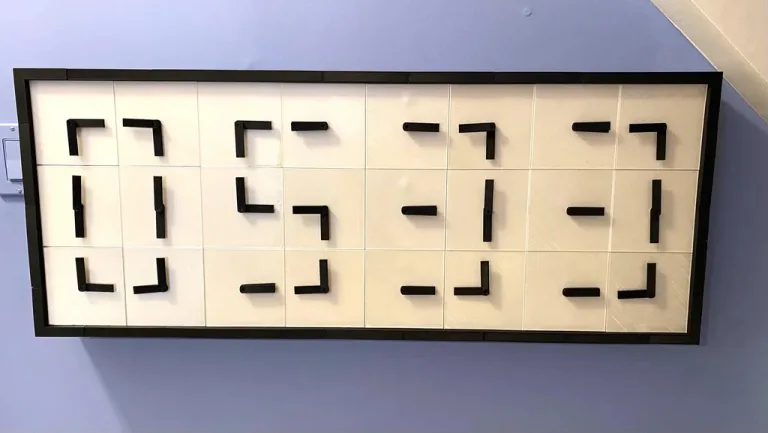
3D-printed clock with 24 analog faces that combine to form a single digital display. The overall device is controlled by a single Arduino Nano, which keeps track of the time using a RTC module. This unit coordinates 24 other Nanos on custom carrier boards, which in turn drive their own little clock face via a…
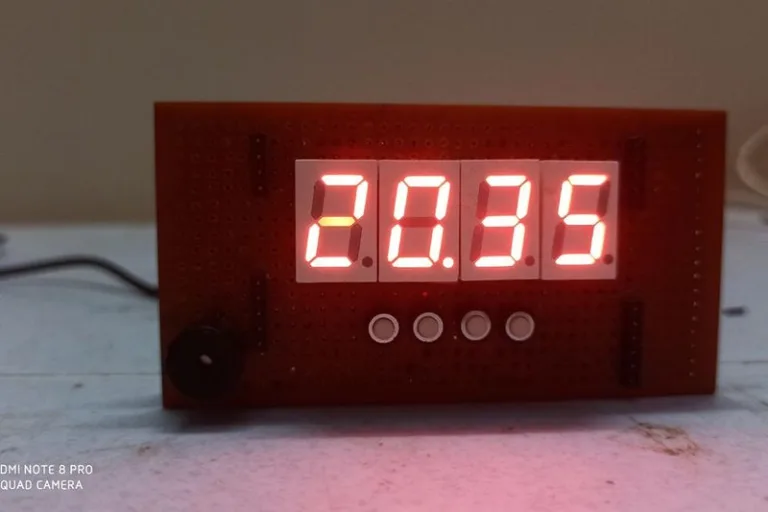
This is an user friendly tiny digital table clock where user can access all basic functions of clocks including setting alarms, viewing temperature, viewing date, setting date and time, etc. It has a buzzer for alarm and four push buttons (Menu, Left, Right, Cancel) for user interaction. It can be powered by a standard…
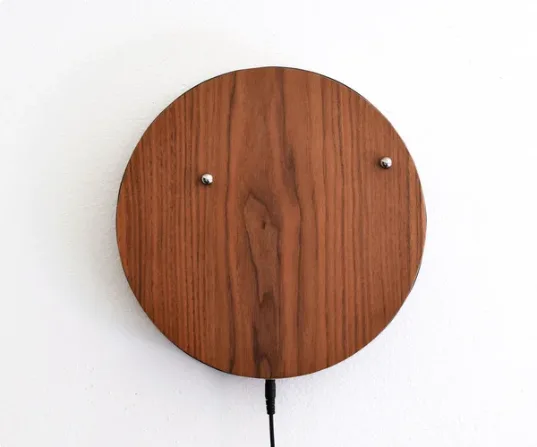
Mechanical clocks have always fascinated me. The way all of the internal gears, springs, and escapements work together to result in a constant reliable timepiece has always seemed out of reach for my limited skill set. Thankfully modern electronics like Arduino and 3D printed parts can bridge the gap to create something simple that…
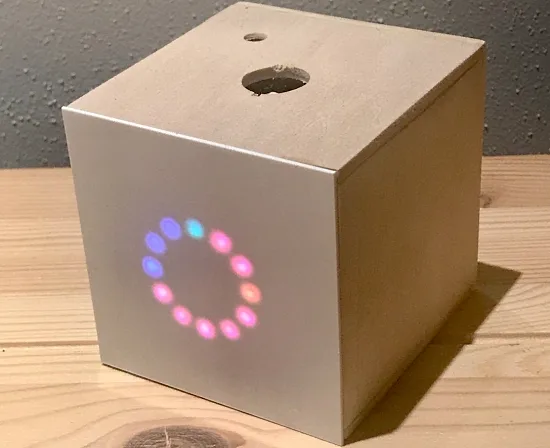
An Arduino-based GPS clock using a microcontroller with a gps attachment and a 12-neopixel ring. I based this project on Adafruit’s awesome Neopixel watch. This project uses an Arduino-friendly microcontroller (the smaller, the better – I used an Adafruit Flora), with an added GPS chip to determine the time, and a 12-neopixel ring. A pink/salmon…
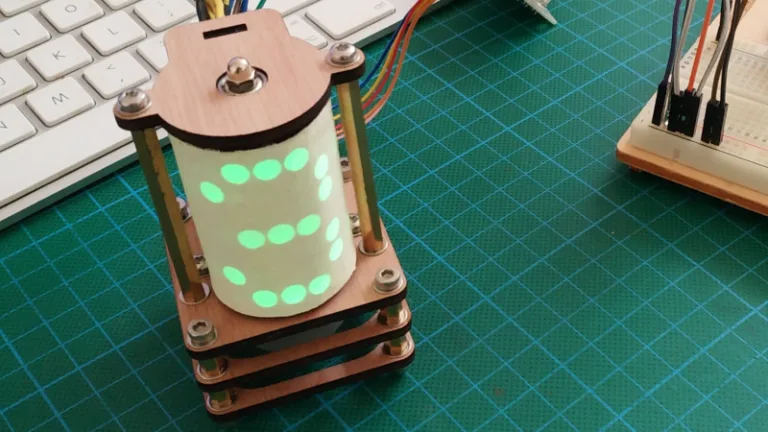
For as many projects as we see using Nixie tubes in new and unusual ways, there’s a smaller but often very interesting cohort of displays that fit into the “Nixie-like” category. These are projects where something other than the discharge of noble gasses is being used to form characters. This scrolling phosphorescent single-character display is one…
Open-Electronics.org is the brainchild of a world leader in hobby electronics Futura Group srl. Open-Electronics.org is devoted to support development, hacking and playing with electronics: we share exciting open projects and create amazing products!
Open-Electronics.org is not just a container of ideas: it is also a web site lead by a team of engineers and geeks who will take part in the discussions and give support.
Our mission is to become a reference Open Source hacking site with ideas and feedback aimed to enrich the community.