
Face-Following Robot Built on Arduino UNO Q and Edge Impulse
A new open-source project shows how to combine computer vision and robotics on a single board, using the Arduino UNO Q to detect and follow a human face in real time without cloud support.
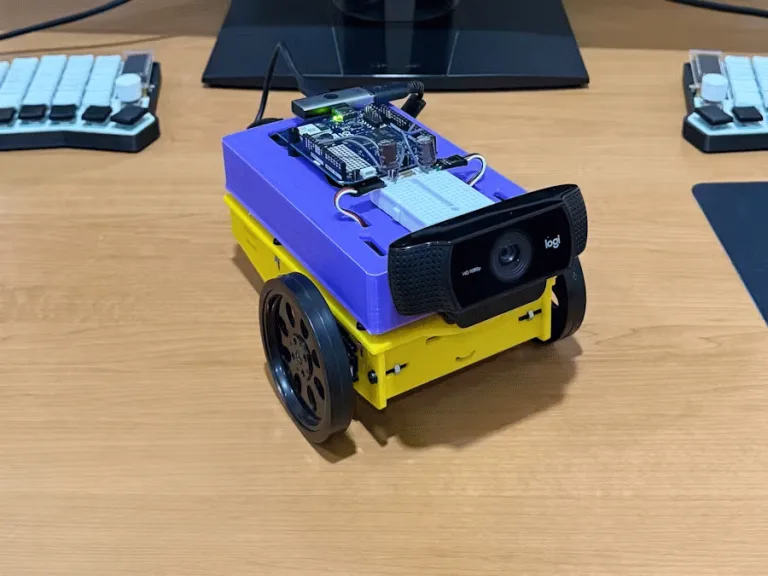
A new open-source project shows how to combine computer vision and robotics on a single board, using the Arduino UNO Q to detect and follow a human face in real time without cloud support.
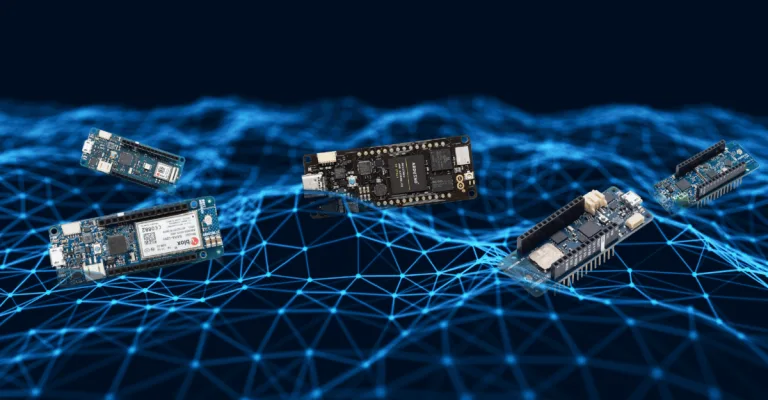
An overview of Arduino’s evolution from an open-source maker project to a complete family of single-board computers used in industrial and professional settings, with a look at the main board families and a dedicated white paper.
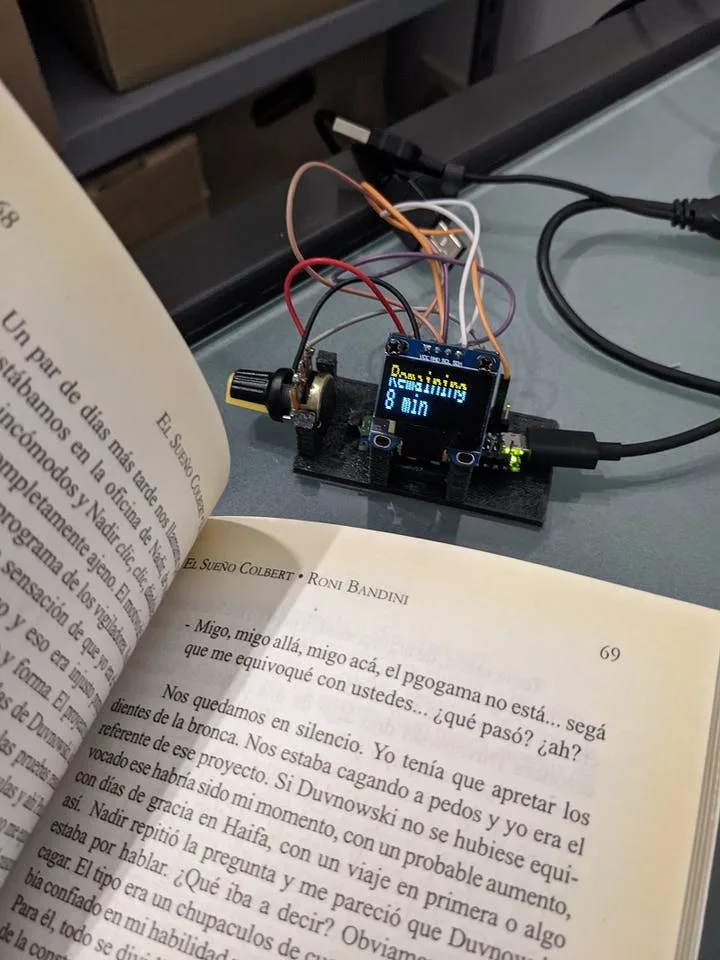
Roni Bandini is a writer born in the seventies, obviously he likes paper books but after many years of using a Kindle he has become accustomed to some features that he doesn’t want to lose. What features? The remaining reading time for example. Can this feature be implemented for paper books? The first thought was…
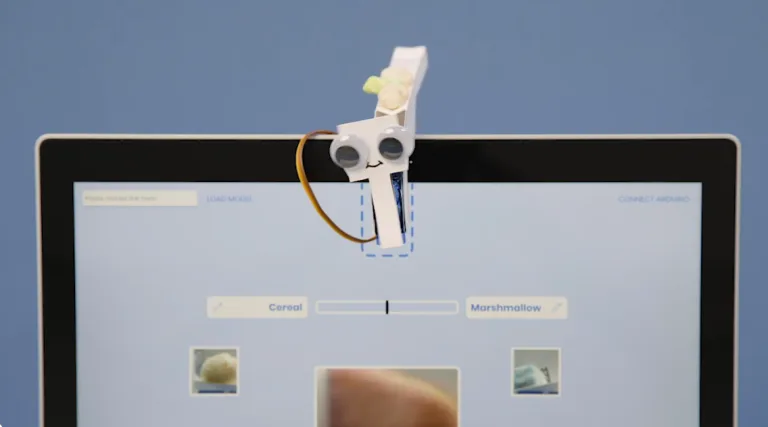
https://experiments.withgoogle.com/tiny-sorter/view/assets/img/hero/hero_wide.mp4 Getting started with physical computing and machine learning can be pretty intimidating. But it doesn’t have to be! Meet Tiny Sorter, a DIY experiment that teaches you how to build a sorter by connecting Arduino and Teachable Machine. It’s a little machine that you can easily make with a piece of paper — just…
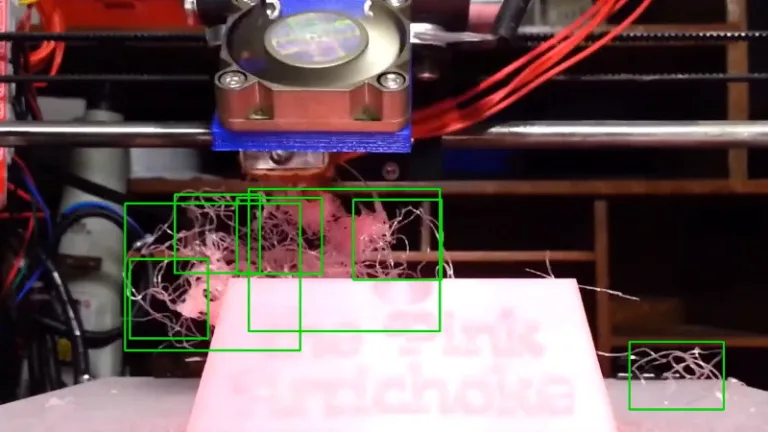
Into 3D printing world, “spaghetti” is the common term for the tangled mess of stringy plastic that’s often the result of a failed print. Fear of their print bed turning into a hot plate of PLA spaghetti is enough to keep many users from leaving their machines operating overnight or while they’re out of the…
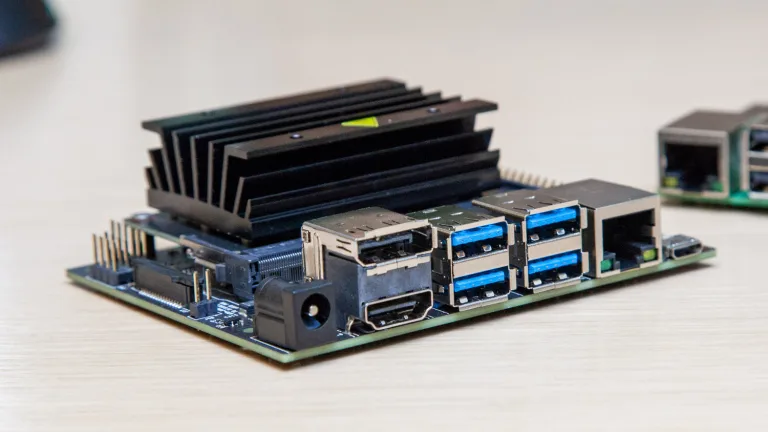
Nvidia released their next generation of small but powerful modules for embedded AI. It’s the Nvidia Jetson Nano, and it’s smaller, cheaper, and more maker-friendly than anything they’ve put out before. For $99 the Jetson Nano Developer Kit is designed to give everyone from hobbyists to programmers a chance to play with deep learning and…
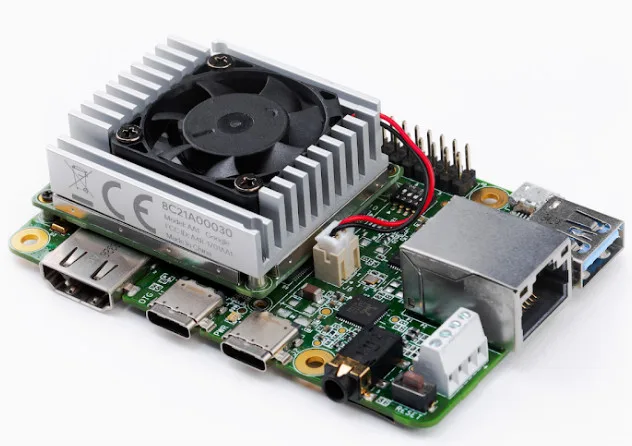
Google continues to expand its range of AI products and services with a trio of new hardware devices aimed at the development community, launching the new Google Coral brand. It includes a $150 development board featuring a removable system-on-module with one of its custom tensor processing unit (TPU) AI chips, a $74.99 USB accelerator USB…
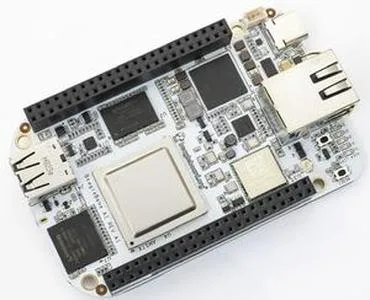
BeagleBoard.org has announced the BeagleBone AI, a high-end board for developers building artificial-intelligence and computer-vision applications. It uses a new dual Cortex-A15 Sitara AM5729 SoC that includes four powerhouse embedded-vision-engine (EVE) cores with AI capabilities. You can think of the BeagleBone AI as a faster and much more feature-packed version of the BeagleBone Black (which can be…
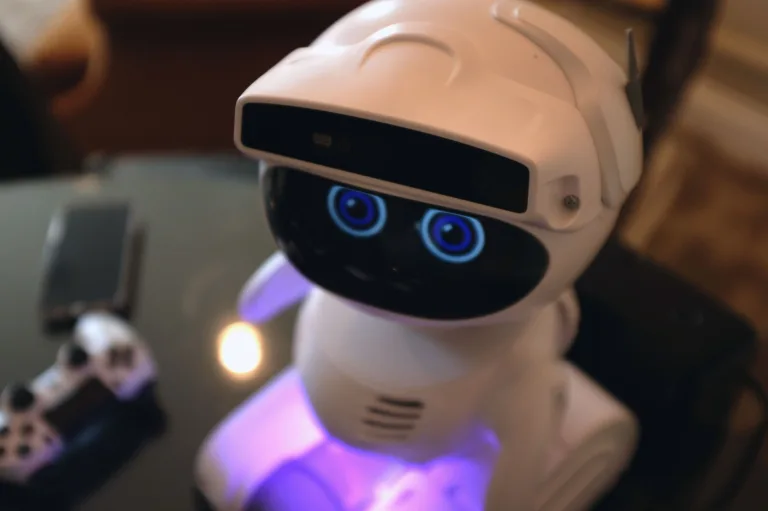
Ian Bernstein, founder and head of product at Misty Robotics is calling for a departure from thinking of robots as tools and machines to thinking of them more as platforms. Misty is looking to employ the collective skills of STEM students, tinkerers, and robotics majors to begin programming and using the Misty II for their…
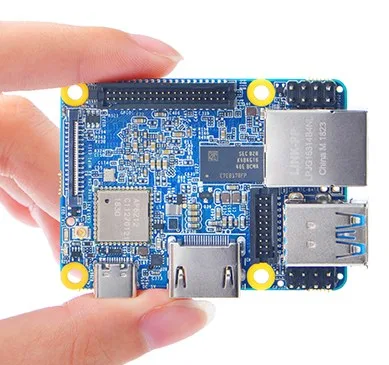
Just a couple of months ago FriendlyElec introduced the NanoPi M4, which was then the smallest, most affordable Rockchip RK3399 based SBC yet. But now they have launched a $45, Rockchip RK3399 based NanoPi Neo4 SBC with a 60 x 45mm footprint, WiFi/BT, GbE, USB 3.0, HDMI 2.0, MIPI-CSI, a 40-pin header, and -20 to 70℃ support —…
The following article is copyright © 2018 Linux.com and was originally published here. Google’s recent announcement that it had ported its open source TensorFlow machine intelligence (ML) library for neural networking to the Raspberry Pi was the latest in a series of chess moves from Google and its chief AI rival Nvidia to win the hearts and keyboards of embedded Linux developers….

Oracle open-sourced Graphpipe, a tool created to make it easy to serve machine learning models in the cloud made by popular frameworks like TensorFlow, MXNet, Caffe2, and PyTorch. GraphPipe is designed to solve three particular challenges: First, there’s no standard for model serving APIs, meaning business applications typically need a bespoke client to communicate with…
Open-Electronics.org is the brainchild of a world leader in hobby electronics Futura Group srl. Open-Electronics.org is devoted to support development, hacking and playing with electronics: we share exciting open projects and create amazing products!
Open-Electronics.org is not just a container of ideas: it is also a web site lead by a team of engineers and geeks who will take part in the discussions and give support.
Our mission is to become a reference Open Source hacking site with ideas and feedback aimed to enrich the community.