
Arduino Nano ESP32 LED Matrix Clock with WiFi Time Sync
Build a compact digital clock using an Arduino Nano ESP32 and a MAX7219-driven 8×32 LED matrix, with WiFi time synchronization, BLE setup, and automatic brightness control.

Build a compact digital clock using an Arduino Nano ESP32 and a MAX7219-driven 8×32 LED matrix, with WiFi time synchronization, BLE setup, and automatic brightness control.
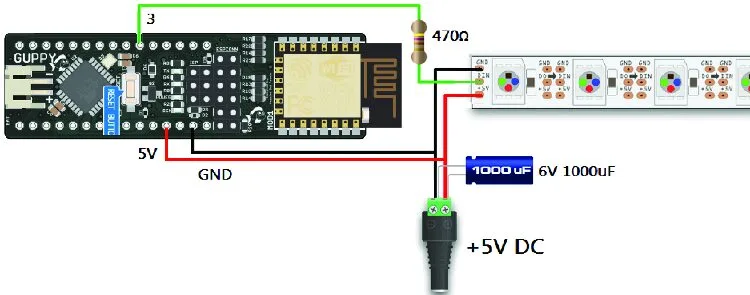
We create NeoPixel light installations with Fishino and NodeMCU controlled via Wi-Fi from a PC or Raspberry Pi using a Python library. A few years ago, the American company Adafruit Industries transformed the LED market by introducing NeoPixels, RGB LEDs that incorporate their own controller in a single package. Adafruit aimed to simplify LED management…

In this project we will see how to create an Arduino-based smart lock that can be unlocked from your mobile phone; we will therefore see how to generate a specific QR code, how to create an access page from ESP8266 and finally you will be able to open the door using your phone. We…
This project is about making Smart System using BoltIOT kit which will send the notification via SMS automatically (send by system) to house owner when the intensity of Sunlight increase or decreases, So they will easily turn ON/OFF the out side lights of the house with the help of Smartphone. if any delay in turning…
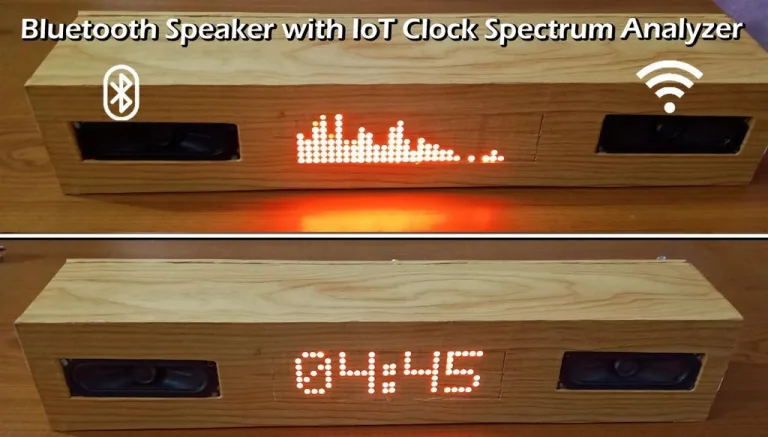
In this project we see how to make a Bluetooth speaker with a clock. It displays date, time, temperature and humidity and it is updated from Internet at 15 minute intervals. It also has a 32-band audio spectrum analyzer that displays different musical patterns. The clock or spectrum analyzer can be displayed while playing music….
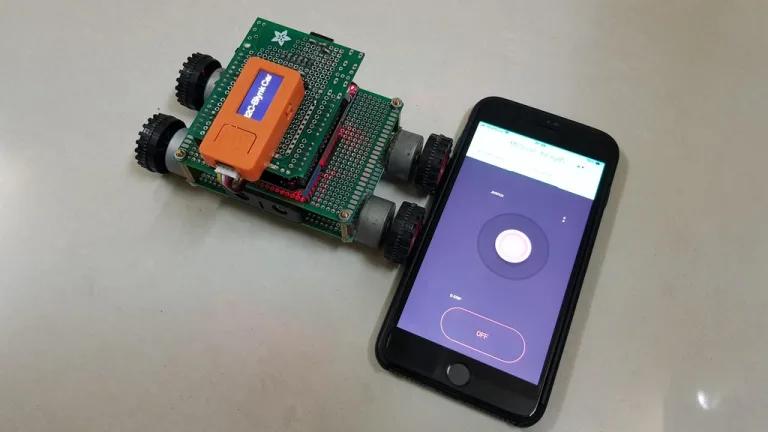
In this project we see how to create an I2C system to control motors using a DigiSpark Attiny85 plus an Arduino shield. To test its operation we made a small RC car that uses an M5StickC and connects to the Blynk app to communicate via the I2C protocol. We used two communications in this project…
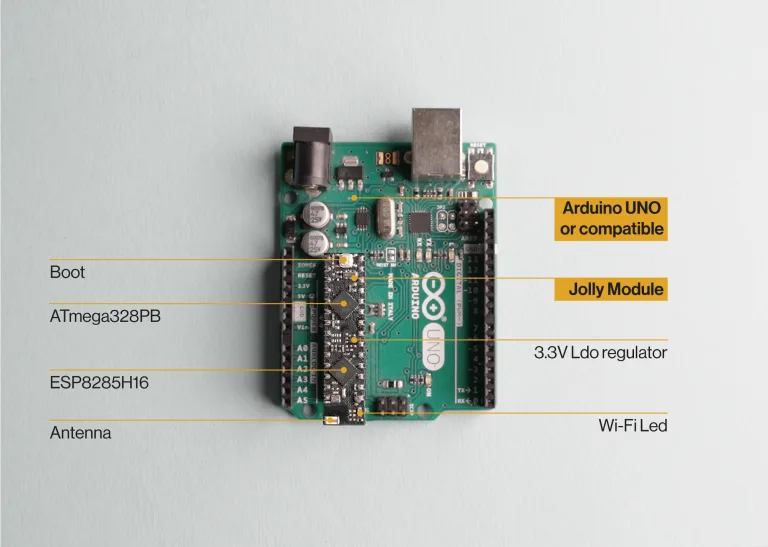
With 10 million Arduino UNO sold worldwide, this board becomes the most widespread prototyping board ever. The first Arduino UNO board was introduced in 2005 and in those days integrating a communication system such as WiFi was extremely expensive. So why not think of something that would allow all owners of this board to make an…
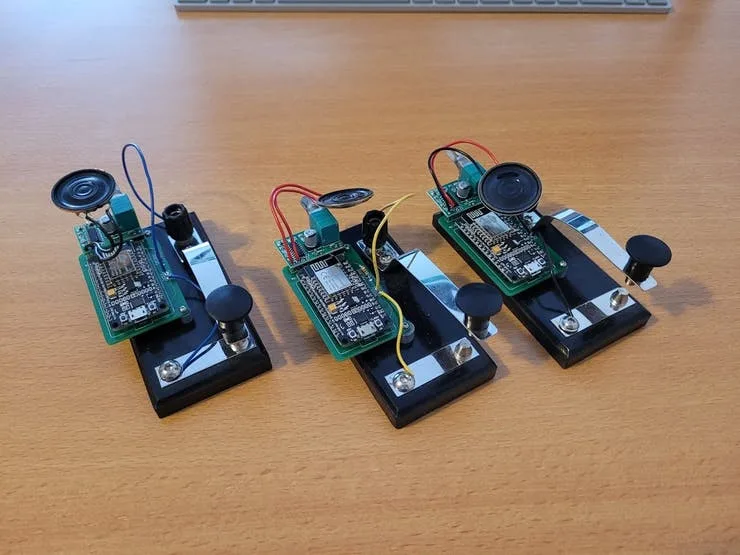
In the age of Zoom, Messenger and Snapchat calls, communication around the world has become commonplace. But what if you could go back in time and painstakingly write the message one beep at a time? With this WiFi telegraph you can do it! Not many components are needed; essential is the ESP8266 module. We decided…
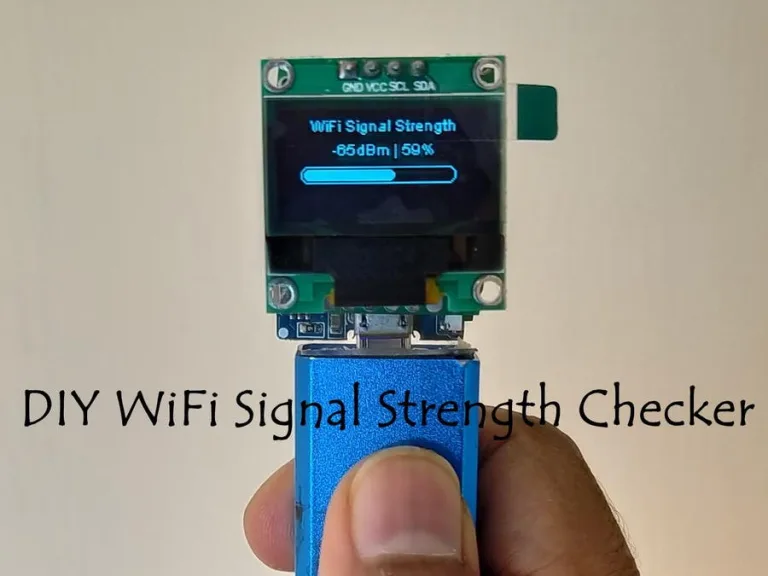
Who likes a weak WiFi signal? We can extend or improve our WiFi signal in the office or at home using specific products, but these need to be placed in precise points for optimal performance. You can use the device shown in this article to measure the strength of your WiFi signal at various points…
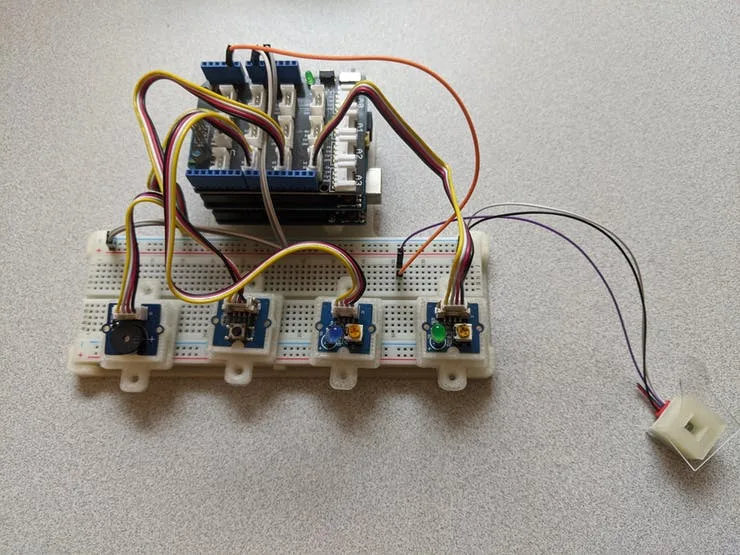
While we can track cycling with Pelaton, running/walking with fitbit, some of the basic exercise such as push ups are still relatively hard to track. In this article, we are building a prototype of push up counter using kemet pyroelectric sensor and Arduino. More info
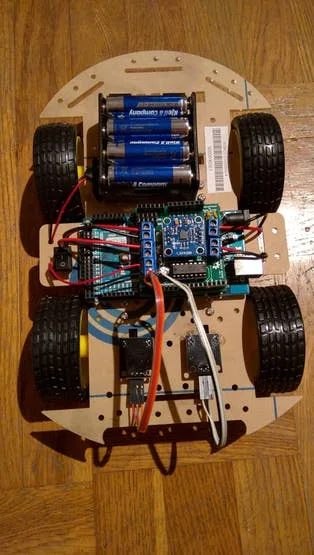
https://i.imgur.com/lbXWc7q.mp4 Remember Smartcar, the versatile and easy to use vehicle platform for your hobby-grade projects? It just received a powerful upgrade with an ESP32 as its “brain”, allowing it seamless connectivity via WiFi or Bluetooth. To sweeten the deal, it got new motors and fancy, custom-made chassis! More info
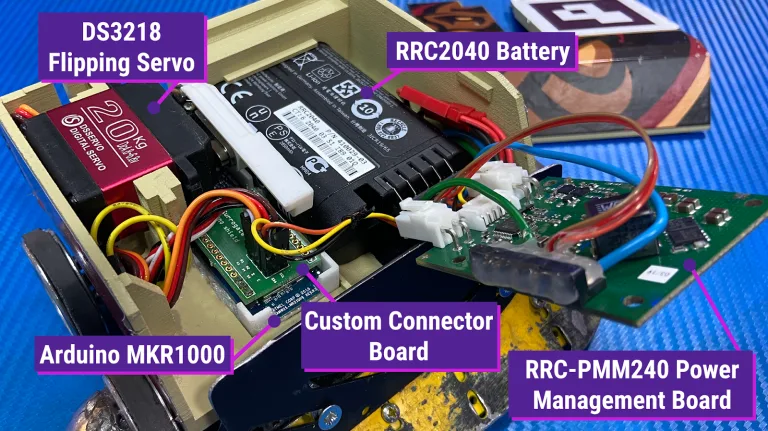
We introduced this concept last year, and have launched three games so far. Our final game of 2019 was SumoBots Battle Royale — where players from anywhere in the world can fight real robots in a battle royale-style arena. The aim of the project was to have the game run semi-autonomously, meaning that the…
Open-Electronics.org is the brainchild of a world leader in hobby electronics Futura Group srl. Open-Electronics.org is devoted to support development, hacking and playing with electronics: we share exciting open projects and create amazing products!
Open-Electronics.org is not just a container of ideas: it is also a web site lead by a team of engineers and geeks who will take part in the discussions and give support.
Our mission is to become a reference Open Source hacking site with ideas and feedback aimed to enrich the community.