
Similar Posts
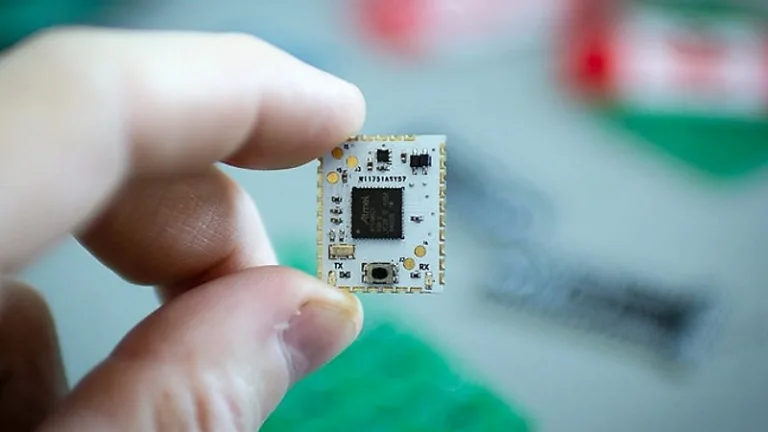
Ready-to-Solder SAMD HCC Arduino and CircuitPython Compatible Module
There is a ton of different development boards on the market that will do exactly what you want for any particular project, and come loaded with all of the components necessary to get them up and running. The SAMD HCC Module enables you to create your custom PCBs with a surface-mount microcontroller that comes pre-programmed…
The world of GIThub
Let’s learn all the aspects of the most renowned web hosting service, and familiarise with it, thanks to a sample application. In the previous post, we let you know Git and in particular, we focused on explaining how to use it in order to archive a firmware project on your PC and to…
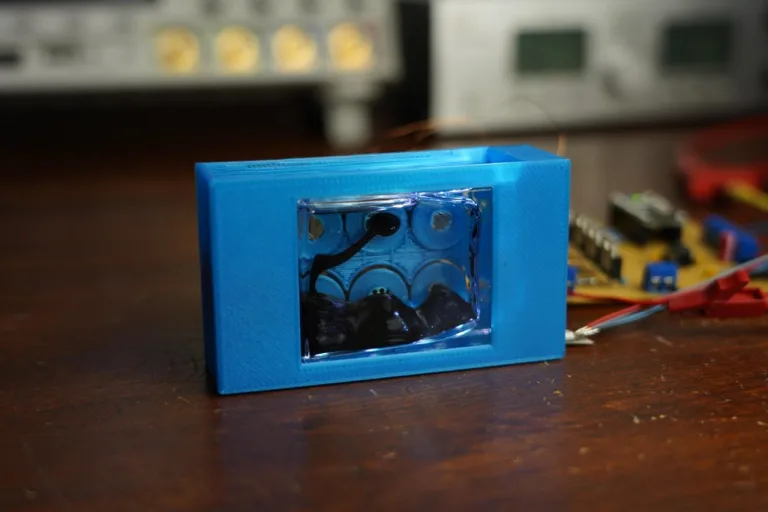
Making Ferrofluid Dance to the Music!
In this project we will see how to create an audio spectrum analyzer using a ferromagnetic liquid from a bottle filled with this particular liquid. To do this, an Arduino Nano will be used and an MSGEQ7 integrated circuit that allows you to read the audio peak of a given band. In this way the…
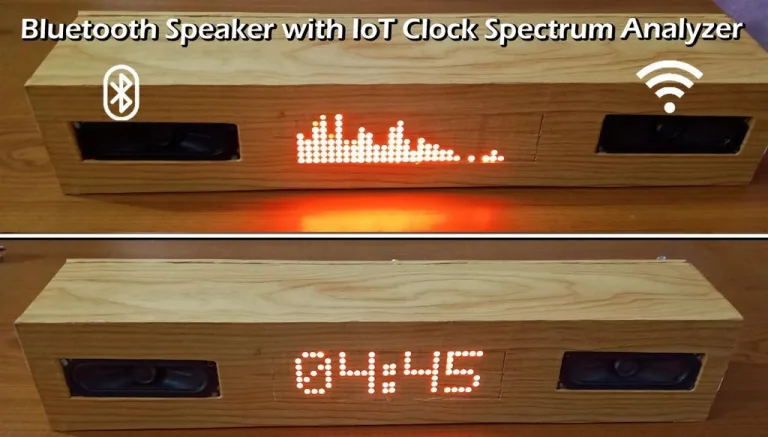
Wifi clock with Bluetooth speaker and spectrum analyzer
In this project we see how to make a Bluetooth speaker with a clock. It displays date, time, temperature and humidity and it is updated from Internet at 15 minute intervals. It also has a 32-band audio spectrum analyzer that displays different musical patterns. The clock or spectrum analyzer can be displayed while playing music….
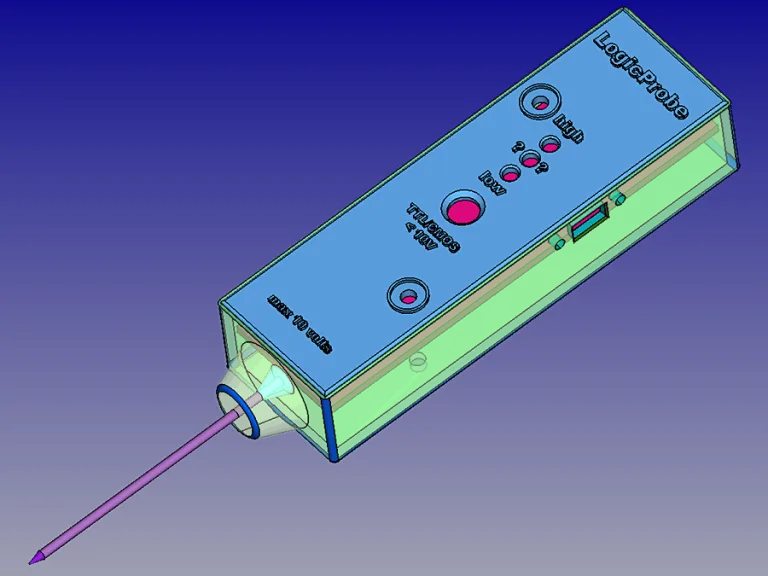
Build a logic Probe TTL / CMOS
In this project we see how to build a logic probe, that is a complete, simple and effective instrument that allows you to measure digital logic levels 0 and 1, both in TTL and CMOS technology. The maximum accepted level is 10 volts but CMOS can reach up to 18 volts (however best avoided). To…