
UVC Object Sanitiser
SKU 7300-UVCSANEAN 8219671114219Item type: KitCleaning & sanitising
Description
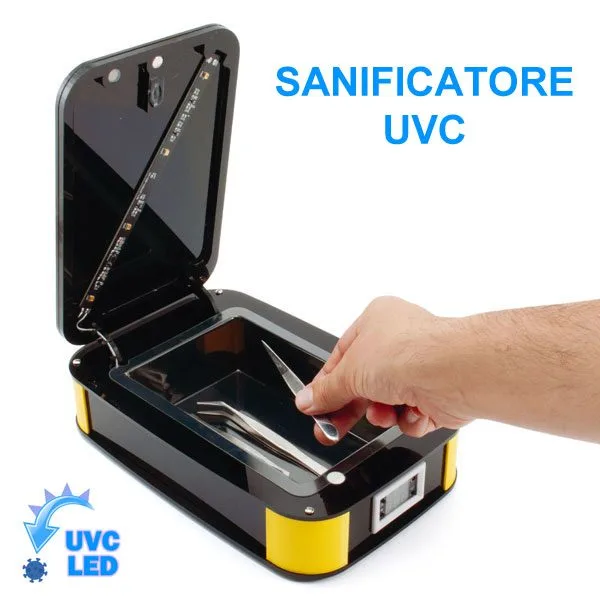
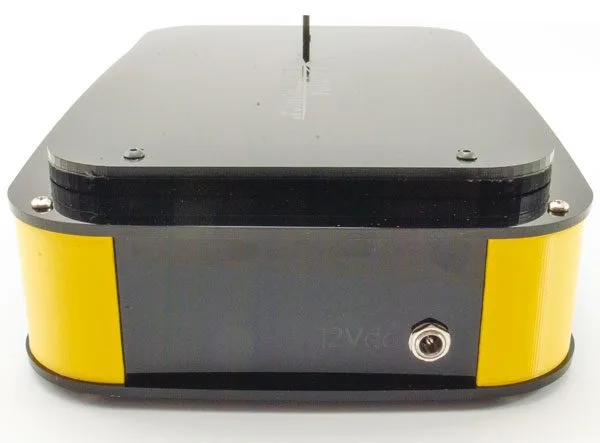
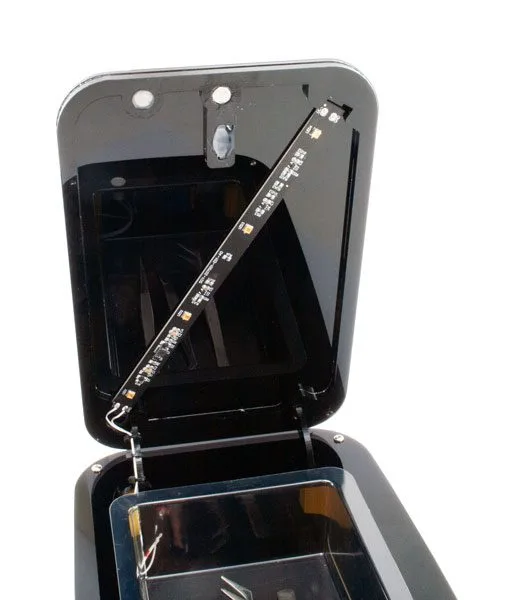
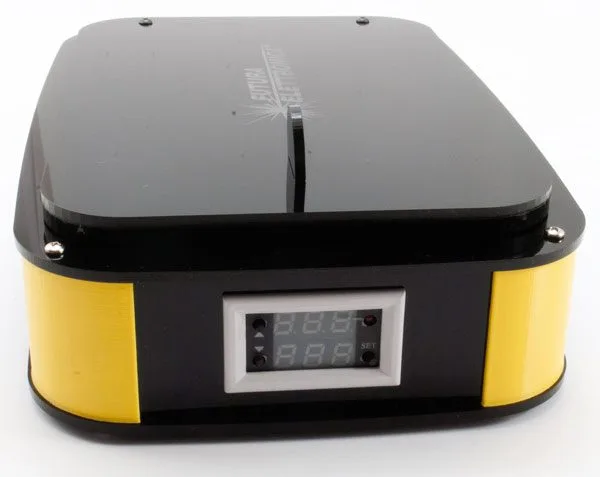
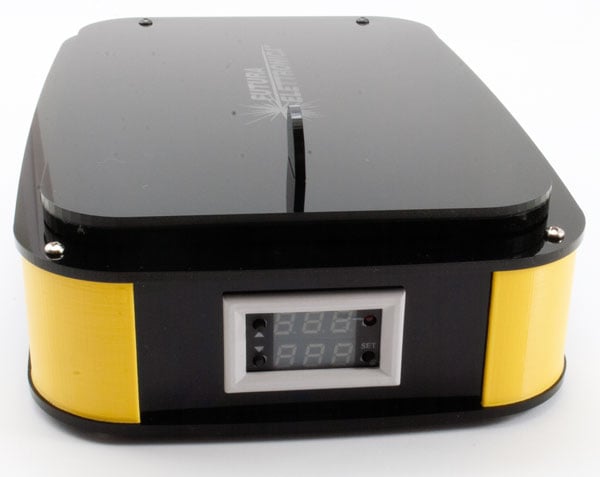
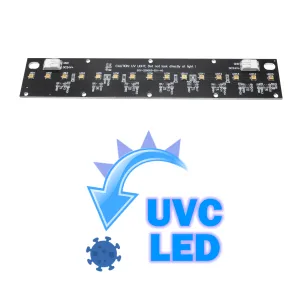
It consists of a plexiglass enclosure with a hinged lid, inside which is a UV-C LED strip with four 3535-type SMD UV-C LEDs, 5 mW each, with an emission wavelength in the 265-278 nm band, an ideal range for sterilising and sanitising surfaces and objects. An electronic safety cut-off immediately switches off the LED strip if the lid is opened during operation. A timer is also provided, which starts the sanitising cycle for the set time as soon as the container is closed. The kit includes all the plexiglass parts (laser-cut) and the 3D-printed parts, plus the electronics and the power supply needed to build this UVC SANITISER. |
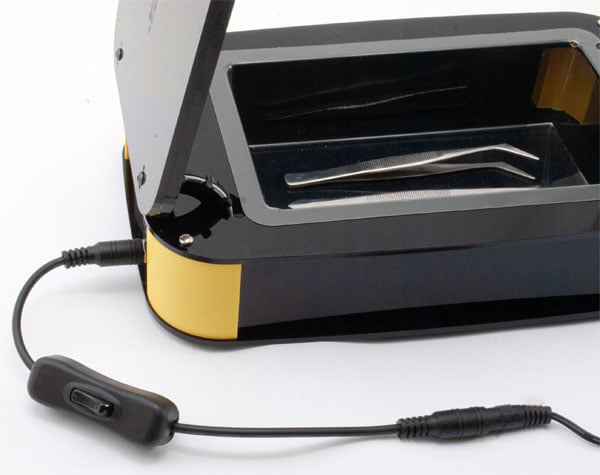 |
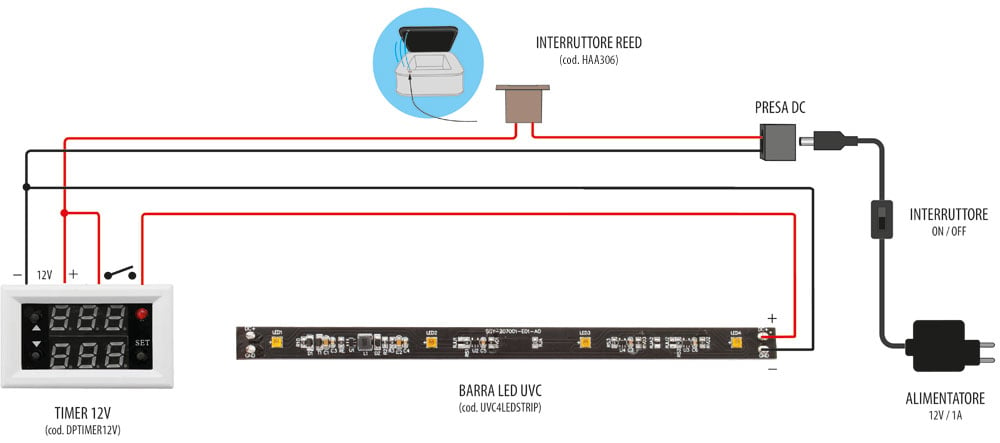
| The LED strip is powered by closing the lid: a reed switch positioned at the lid’s closing point powers a programmable timer with display, which physically drives the strip according to the set time. |
 |
| THE ACTION OF ULTRAVIOLET LIGHT |
| UV-C radiation has long been known for its disinfecting action against pathogens (it is no coincidence that a joint study by the University of Milan, the Institute of Astrophysics and the National Cancer Institute was recently published on the correlation between sun exposure – and therefore UV exposure – and the spread of COVID-19 infection), and it has been widely used for over 40 years to disinfect drinking water, wastewater, air, pharmaceutical products, surgical instruments (and dental tools) and surfaces, against a broad range of human pathogens. All the bacteria and viruses tested (many hundreds over the years, including recent viruses) respond to UV-C disinfection (and indeed also UV-B), meaning that they are inactivated by exposure to this radiation. Some organisms have proven more sensitive to UV-C disinfection than others, but all tests carried out so far respond at the appropriate doses.
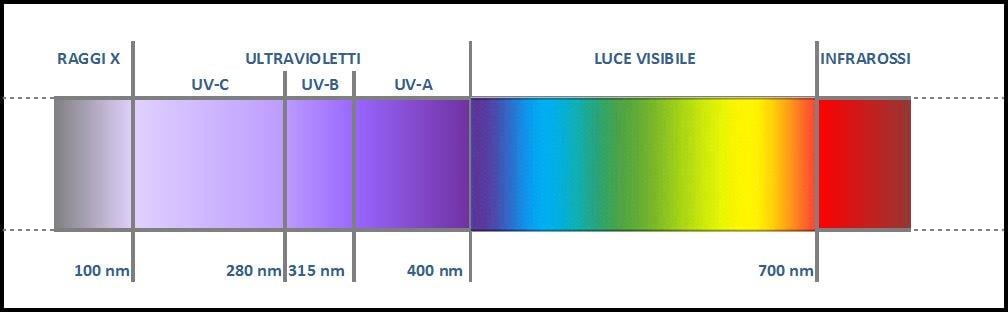
According to the International Ultraviolet Association (https://iuva.org), the ultraviolet spectrum corresponding to sterilising capability is around 200-300nm and therefore very narrow; to be precise, the germicidal range extends between 280 nm and 300 nm. In theory, the wavelength of 265 |
| Wiring Diagram |
 |
| click the image to enlarge |
Related products
-
 Cleaning & sanitising
 -
 Cleaning & sanitising
 -
 Cleaning & sanitising
 -
 Cleaning & sanitising
 -
 Cleaning & sanitising
 -
 Cleaning & sanitising