
RFID with RC522: Radio-Frequency Identification with Arduino
Learn how to use the RFID-RC522 module based on the MFRC522 chip with Arduino, from wiring to access control projects.
Learn how to use the RFID-RC522 module based on the MFRC522 chip with Arduino, from wiring to access control projects.
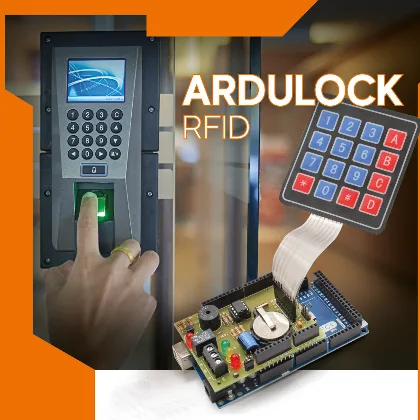
With Arduino Mega, we create, a keyboard with RFID module, a configurable access control system, to manage electric locks. In the market there are different types of controls for electric locks: from the simple insertion of codes to biometric readers, passing through transponder readers (RFID) or magnetic strips. The project that we present…
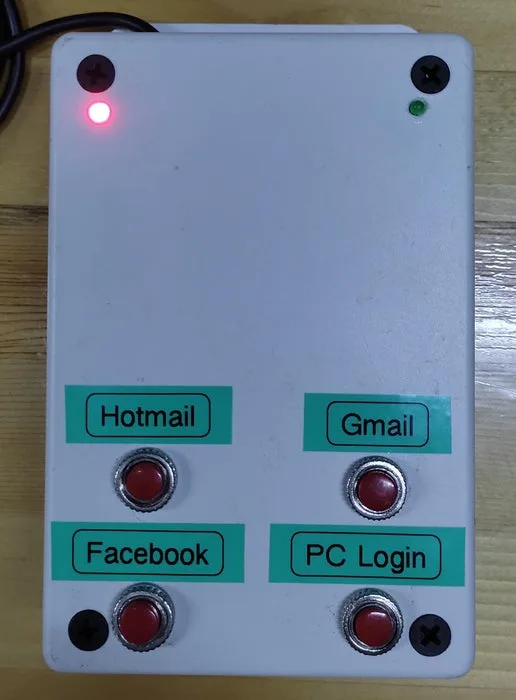
Today is the world of internet social networks. We have many social platforms E-mail, Facebook, Instagram, Twitter and so on. For security reasons we should not use the same password for these platforms and some platforms require us to create passwords that are difficult to remember. It is better to write it down in your…
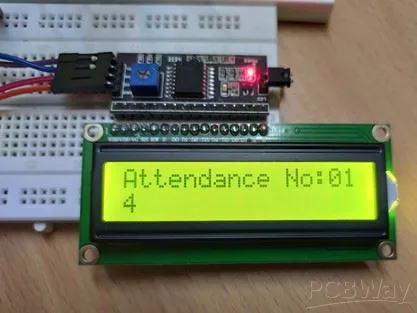
In this post we are going to learn how to build a RFID based attendance system using Arduino development board, RC522 RFID reader module and external EEPROM. We will take a brief look at RC522 RFID module, external EEPROM and other circuit modules that makes this proposed RFID attendance system work. RFID card based…
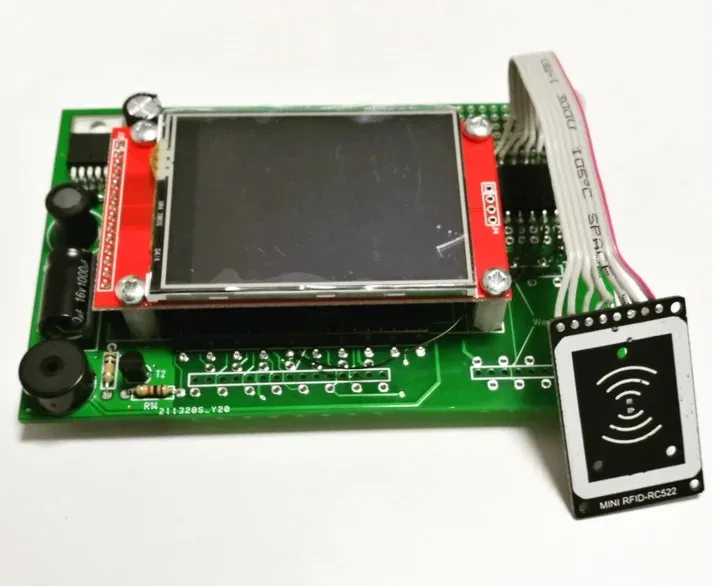
On this litte instructable I will show how to create a simple RFID reader with TFT output for wall mounting using an ESP32. It’s easy to extend this simple design for more complex application and wireless data transmission. More info
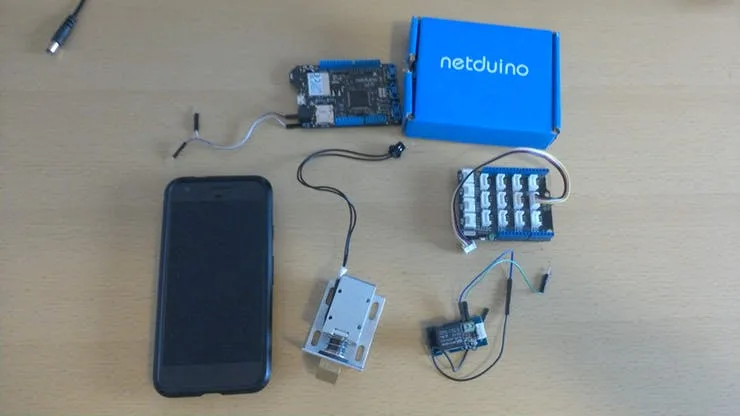
The idea of smart locks has been out for a while, but at the end of the day, people still end up carrying either RFID or just use the lock itself. We pretty much carry our phone all the time now, and by the time we are at the door we are automatically connected to…
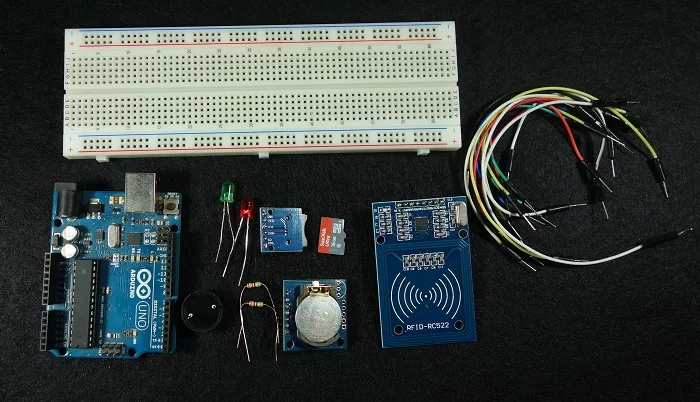
In this project you’re going to build a time attendance system with MFRC522 RFID Reader and Arduino. When you swipe an RFID tag next to the RFID reader, it saves the user UID and time in an SD card put into a SD Module for Arduino. It also shows if you are late or in…
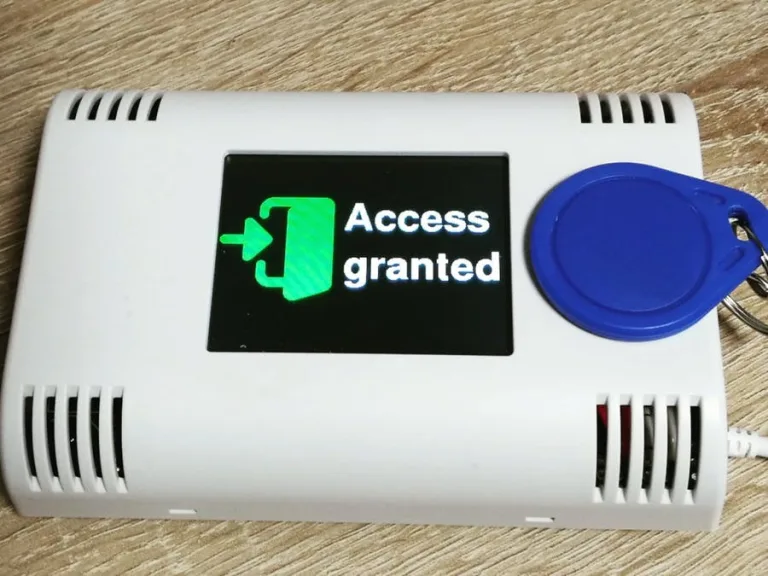
It is very easy to create a nice looking RFID reader with TFT output for wall mounting with an Arduino MKR of your choice and our ArduiTouch MKR kit. You can use this reader for door access or intruder alarm terminals. It’s easy to extend this simple design for more complex application and wireless data transmission….

Researchers at the University of Waterloo in Canada have developed a novel hand-based input technique called Tip-Tap that amazingly requires no batteries. The wearable device uses a series of three custom RFID tags on both the thumb and index finger with half an antenna on each digit. When the fingertips are touched together, a signal is…
Lime Microsystems has unveiled a size- and cost-reduced variant of the LimeSDR board that it launched last year. The LimeSDR Mini is a free and open source project that supports the company’s entirely open-source LimeSuite host-side software that supports a range of SDRs. At 69 x 31.4mm, the LimeSDR Mini is about one-third the size of the original model,…
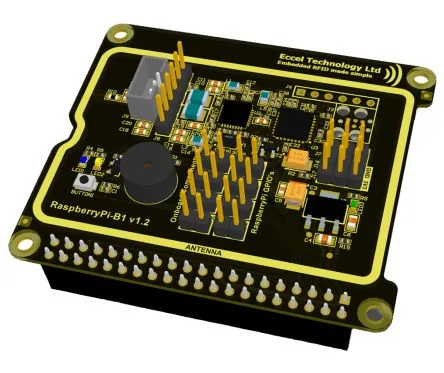
Eccel Technology has launched a Raspberry Pi Hat RFID/NFC Board that is also known as the Raspberry Pi-B1. The Raspberry Pi-B1 provides RFID or NFC communications at 13.56MHz at a range of up to a meter, and is aimed at Raspberry Pi based access control, monitoring pre-payment, resource management, and connection-less storage systems. The Raspberry…

IBM has open sourced a significant chunk of the blockchain code it has been working on, putting its weight behind the Linux Foundation and its Hyperledger project. Big Blue has dumped the Apache 2.0-licensed source on GitHub, providing a limited but functional dev environment to build on. The IT giant has pledged to maintain the…
Open-Electronics.org is the brainchild of a world leader in hobby electronics Futura Group srl. Open-Electronics.org is devoted to support development, hacking and playing with electronics: we share exciting open projects and create amazing products!
Open-Electronics.org is not just a container of ideas: it is also a web site lead by a team of engineers and geeks who will take part in the discussions and give support.
Our mission is to become a reference Open Source hacking site with ideas and feedback aimed to enrich the community.