
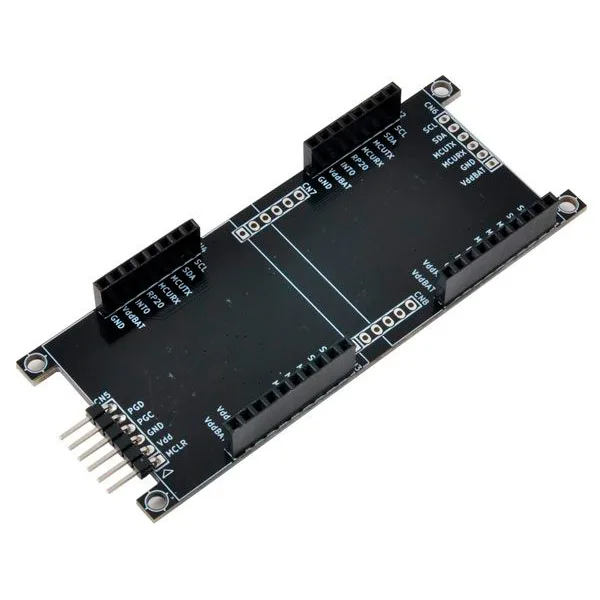
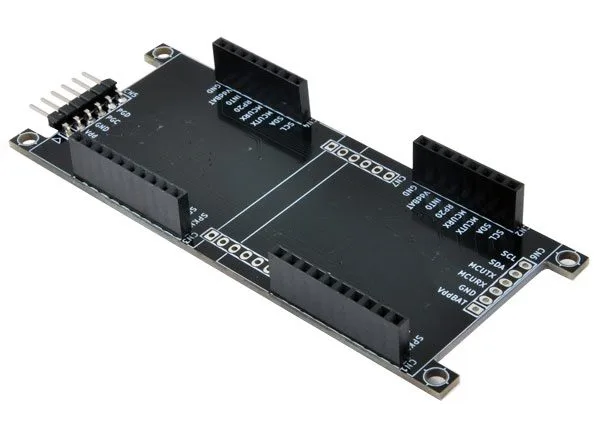
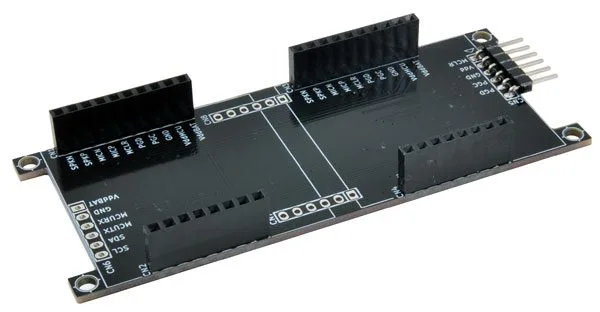
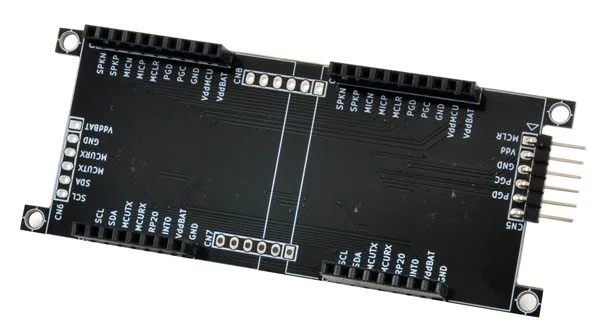
Dual Expansion Board for the Mercury System
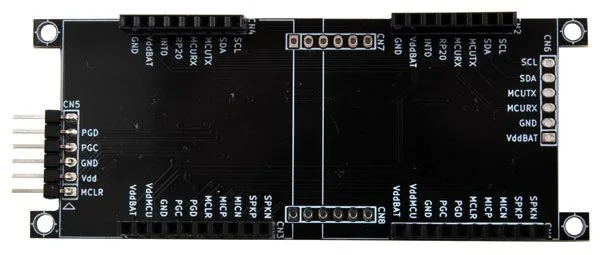
SKU 7305-EB110EAN 8219671102506Item type: Assembled, Shields & add-onsIoT (Internet of Things)
Description
 |
|||||||||||||
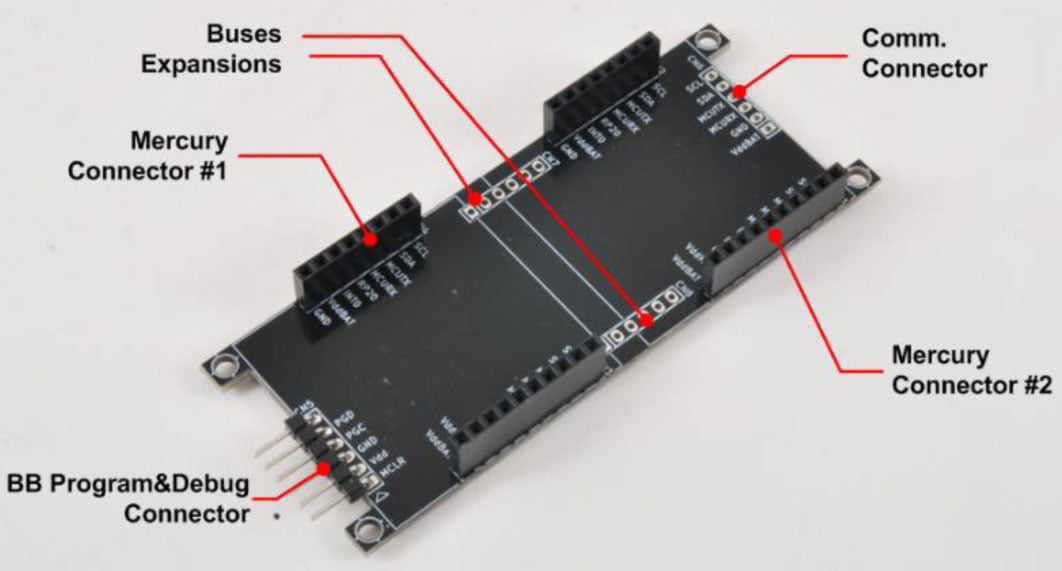
| Expansion Board | |||||||||||||
 |
|||||||||||||
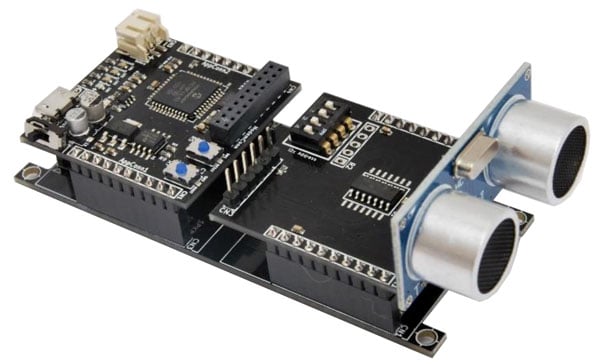
| Expansion Board with the Base Board and SB310 | |||||||||||||
 |
|||||||||||||
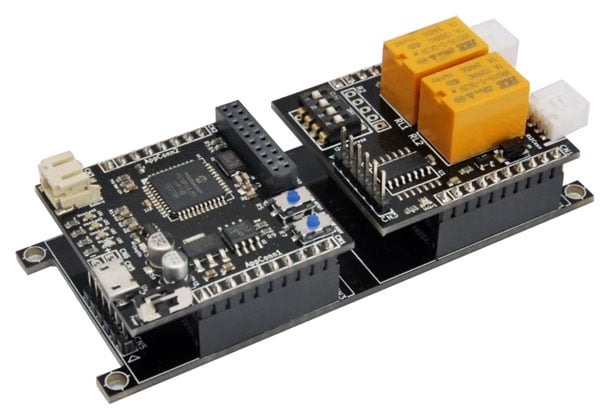
| Expansion Board with the Base Board and SB110 | |||||||||||||
| Mercury System | |||||||||||||
| Mercury System (MS for short) is a modular system for developing connectivity and IoT applications. The system uses several types of electronic board (logic unit, modem, slave board carrying sensors and actuators, power boards and so on) together with a complete software structure that makes it possible to build complex applications. Scalability, ease of use and modularity are the key factors, and they come from using a mixed set of components that let you assemble the system like a model built out of LEGO© bricks.
The set of boards that make up the Mercury System is organised into the following “families”: • Base Board (BB): This is the “brain” of the whole Mercury System and holds the main logic unit, several communication buses and the connectors that interface the slaves. It also carries a simple power supply and a charger for a single LiPo cell (enough to meet the power requirements of simpler systems). It comes in different variants, depending on the microcontroller unit fitted. • Modem Board (MB): this is the board that provides network connectivity. It comes in different variants, depending on the network interface (GSM / GPRS, Wi-Fi, BT, radio and so on). It is interfaced to the base board over a dedicated serial line. • Power Board (PB): this is the board that covers the system’s particular power requirements, where they arise. They vary according to the specific power need to be met (high power, solar harvesting, piezoelectric harvesting, etc.). • Slave Board (SB): these are the system’s peripherals and vary according to the specific sensor or actuator fitted. Typical examples are SBs with relays, temperature sensors, RGB LED controllers, servo drivers, accelerometers and so on. They talk to the BB over I2C or UART with a dedicated command set. • Expansion Board (EB): these are the boards that allow Mercury boards to be connected side by side. There are variants that can carry displays, a battery holder and so on. • Brain-Less Board (BL): these are the boards without a controller. They generally carry very simple sensors or actuators that do not need the bus interface. They are an alternative to slave boards for applications that have to keep costs down. The Slave Boards and the Modem Boards come pre-programmed with firmware that implements a dedicated command set for high-level control, while the Base Boards carry a software framework that provides all the low-level services (operating system, peripheral drivers, system services and so on), leaving the user with nothing to write but the application logic. |
|||||||||||||
 |
|||||||||||||
| Mercury System Framework | |||||||||||||
| The Mercury System Framework (MSF) is a layered software framework designed specifically to support application development on the Mercury System. It gives the user a complete set of basic functions for interfacing the Slave Boards (SB) and the Modem Boards (MB) easily, along with a number of software and infrastructure system services. | |||||||||||||
 |
|||||||||||||
| The framework is made up of the following components:
HAL (Hardware Abstraction Layer): the purpose of this layer is to hide the hardware dependencies from the layers above. OSL (Operative System Layer): this layer consists of a lightweight RTOS that provides the system’s basic services, such as the scheduling tables for the various tasks, events, SW timers, alarms and so on. |
|||||||||||||
 |
|||||||||||||
| The Slave Boards of the Mercury System | |||||||||||||
| The layout of the Mercury Slave boards is standardised, to make interfacing with the Base Board simpler and to guarantee a high degree of modularity and scalability. Every slave board has an I2C (Inter Integrated Circuit) communication line and a four-position DIP switch for setting the slave board’s bus address dynamically. Addresses 0x01 to 0x0F are available for the slaves, while address 0x00 is reserved for broadcast communication. This way up to 15 devices can be connected to the Base Board using the dynamic addressing scheme. That number can be increased further by reprogramming the slave with an address supplied by software. In addition, two open collector digital lines wired to the base board’s external interrupts are provided for slave boards that need to raise asynchronous interrupts. Slave boards that need higher bandwidth and peer-to-peer communication can also be interfaced over a further UART channel.
There are several sub-families of Slave Board:
The table below gives some examples for each sub-family:
|
|||||||||||||
| Documentation and useful links | |||||||||||||
Technical details
| PML | peripheral management layer |
|---|---|
| SSL | system services layer |
You may also like…
-
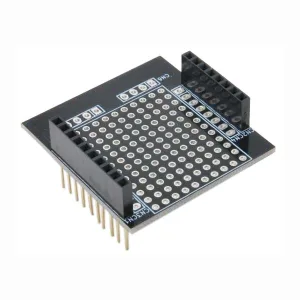 IoT (Internet of Things)
 -
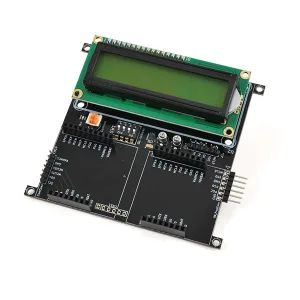 IoT (Internet of Things)
 -
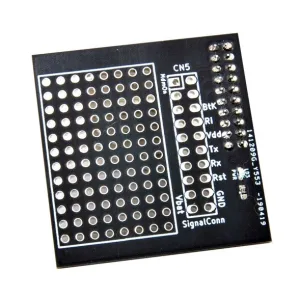 IoT (Internet of Things)
 -
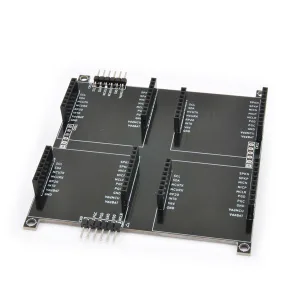 IoT (Internet of Things)
 -
 IoT (Internet of Things)
 -
 IoT (Internet of Things)
 -
 IoT (Internet of Things)
Related products
-
 Wi-Fi modules
 -
 Wi-Fi modules
 -
 ESP8266 / ESP32
 -
 ESP8266 / ESP32
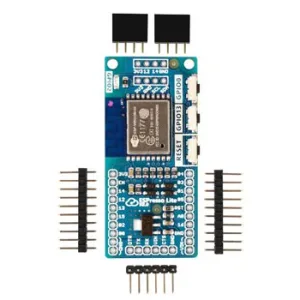
Espresso Lite V2.0: the WiFi development board for IoT devices
€13.52excl. VAT€16.50incl. VAT -
 ESP8266 / ESP32
 -
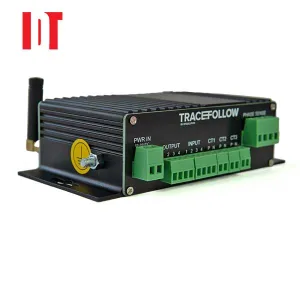 IoT (Internet of Things)
Trace&Follow – WiFi-Ethernet Energy Monitoring and Machine Control
€350.00excl. VAT€427.00incl. VAT -
 ESP8266 / ESP32
 -
 ESP8266 / ESP32