
GSM Telealarm with anti-Jammer
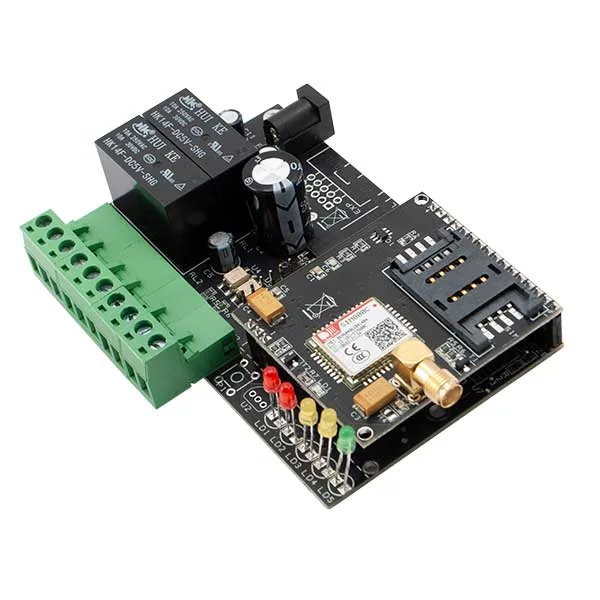
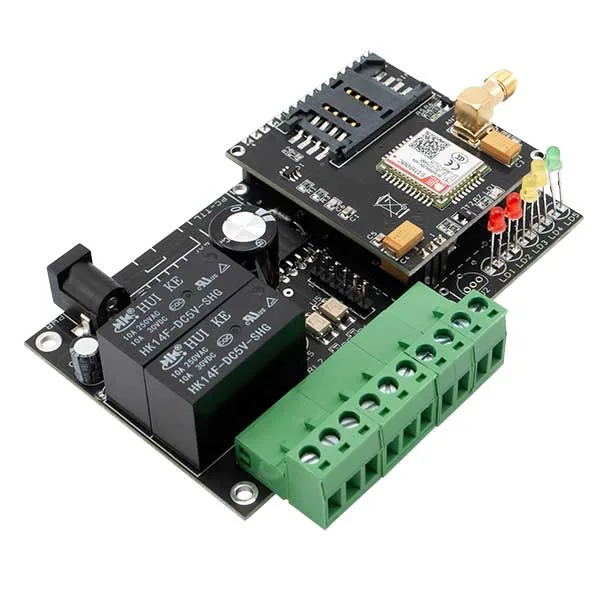
SKU 8100-TDG138EAN 8219671045926Item type: AssembledGSM/GPRS
Description
|
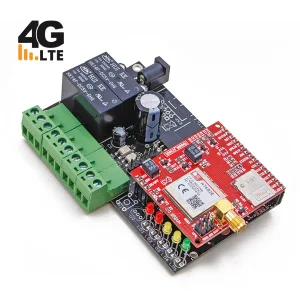
GSM telealarm and remote control system with anti-Jammer function, to be paired with any burglar alarm installation. The device can work either in the traditional way (much like the TDG133) or in anti-Jammer mode (in which case two boards are needed). The system guarantees the highest level of security by periodically checking that the radio link is working properly: if it is tampered with or jammed, the second GSM unit takes over and sends the alarm messages. All settings are made by SMS or locally from a PC (through the optional FT782M interface). Power supply between 9 and 32 Vdc, maximum current draw 1 A. The pack contains: the device, assembled and tested, with the GSM module based on the SIM800C and the antenna (8170-ANTGSMSTL-S01). The device works on the GSM network only. As it cannot operate on UMTS, it is not compatible with any SIM that works solely on that network. It therefore works without problems with SIM cards from Wind, TIM and Vodafone, but it cannot be used with SIM cards from 3. |
|
| Telealarm | |
| It uses the GSM network for activation and monitoring. Configured with a simple phone call, it has two relay outputs (230 Vac – 10 A) that work in monostable or bistable mode and two opto-isolated alarm inputs. Up to 7 numbers can be stored for sending alarms. All settings are made by SMS. Power supply between 9-32 Vdc, maximum current draw 1 A. The product is supplied ready assembled and tested. | |
| Anti-Jammer | |
|
N.B. two units of the TDG138 are required to use the Anti-Jammer function
|
|
|
The anti-jammer sets up a point-to-point GSM link between two devices that keep in touch with periodic calls: loss of communication is treated as an alarm condition. This way, if the master is prevented from calling, the slave starts alerting all the stored telephone numbers.
|
|
| Technical specifications | |
|
|
|
Documentation and useful links
|
|
|
FAQ
|
|
|
|
Technical details
| GSM/GPRS module | SIM800C |
|---|---|
| Quad-band | GSM 850, EGSM 900, DCS 1800, PCS 1900 |
| GPRS connectivity | multi-slot class 12 (default) |
You may also like…
-
 Interface converters
 -
 GSM/GPRS
Related products
-
 GSM/GPRS
 -
 GSM/GPRS
 -
 GSM/GPRS
 -
 GSM/GPRS
 -
 GSM/GPRS
 -
 Other security
 -
 Gas & smoke detectors
 -
 GSM/GPRS