
Expansion Board for Raspberry Pi Pico and Pico W
SKU 1686-ROBOPICOEAN 8219671106061Item type: AssembledControl electronics
Description
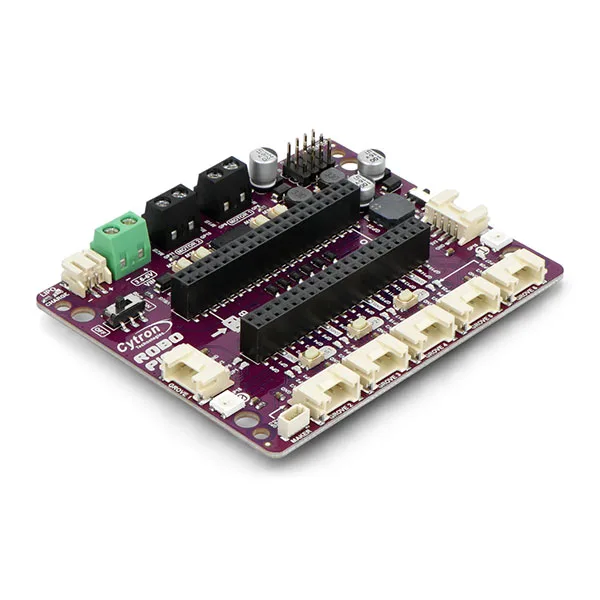
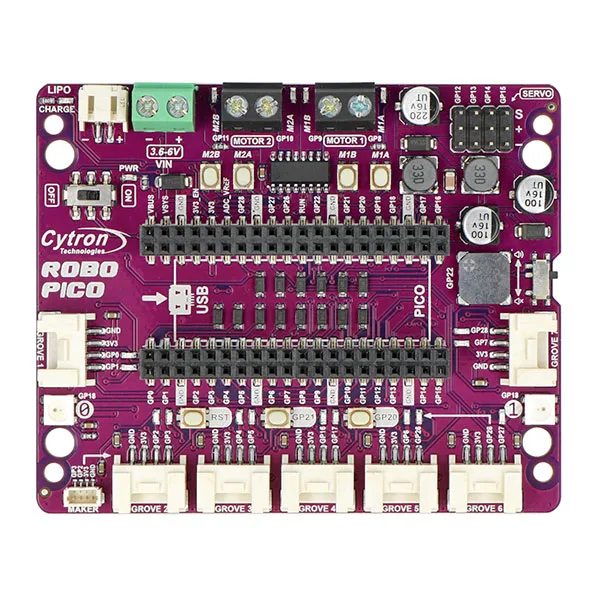
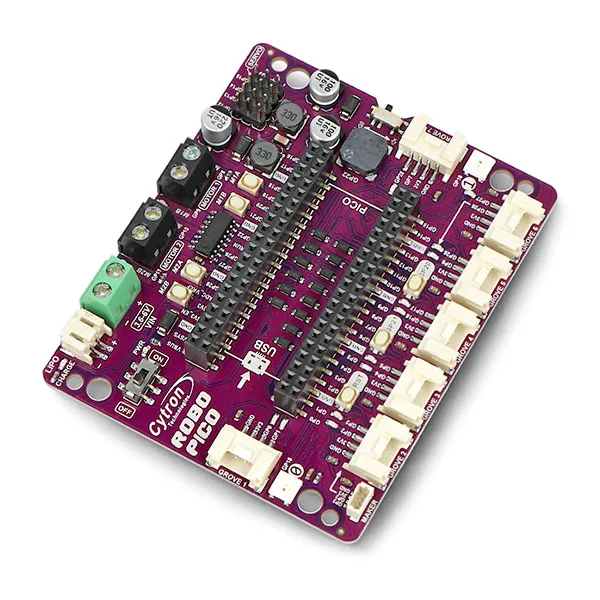
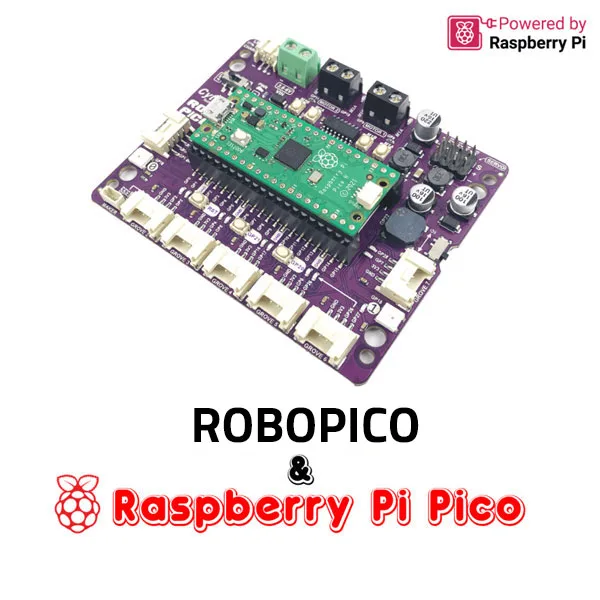
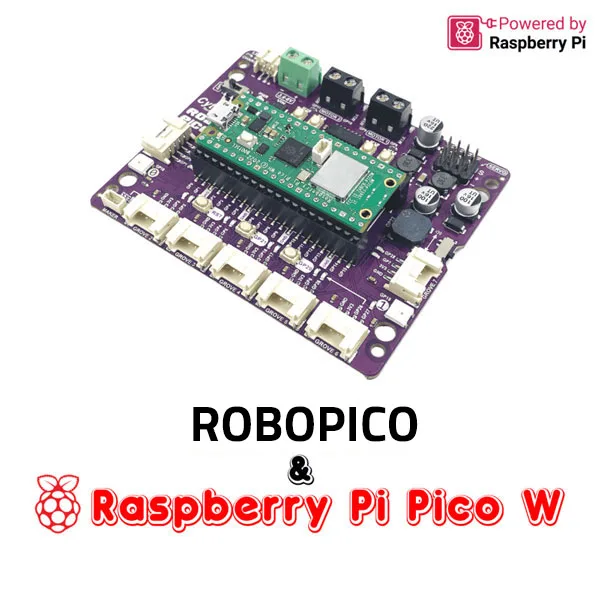
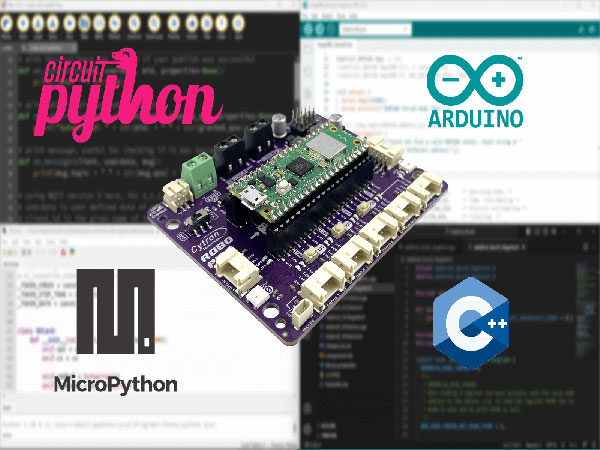
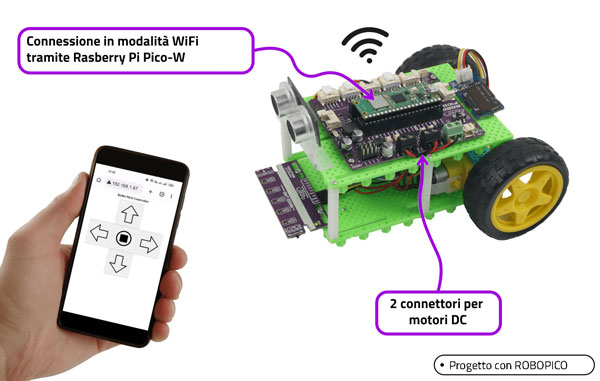
| is an expansion board for Raspberry Pi Pico and Pico W. It has a two-channel DC motor controller, 4 pins for driving servos and 7 I/O ports compatible with the Grove standard. The board works with platforms such as CircuitPython, MicroPython, C/C++ and Arduino.
Warning! Raspberry Pi PICO boards are not included and must be bought separately. |
| Key features |
|
| Technical specifications |
|
| Product overview |
|
|
| Flexibility and versatility |
|
|
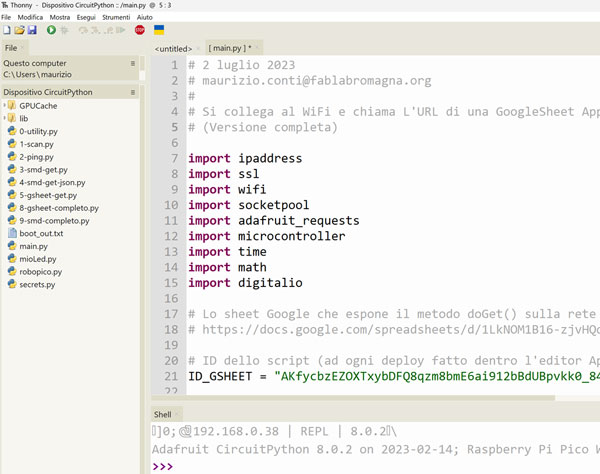
| Raspberry Pi Pico is easy to use because it offers several development options |
|
|
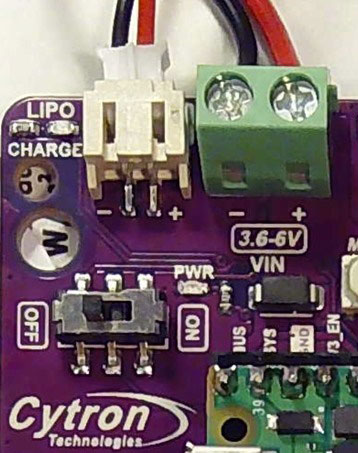
| Built-in LiPo battery charger with 2mm pitch connector |
|
|
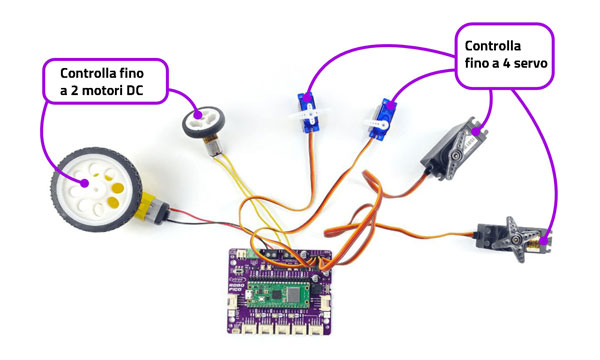
| DC motors and servos: make things move! |
|
|
| Switch on your creativity |
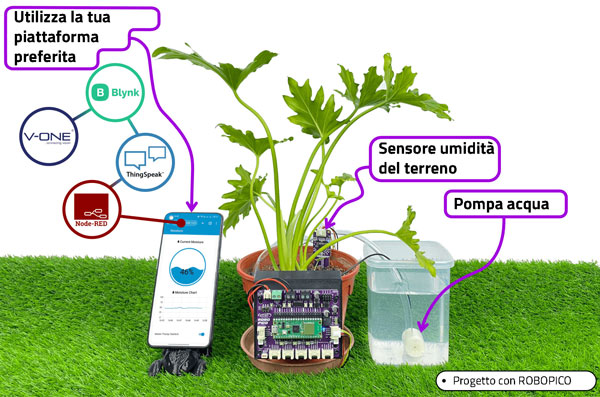
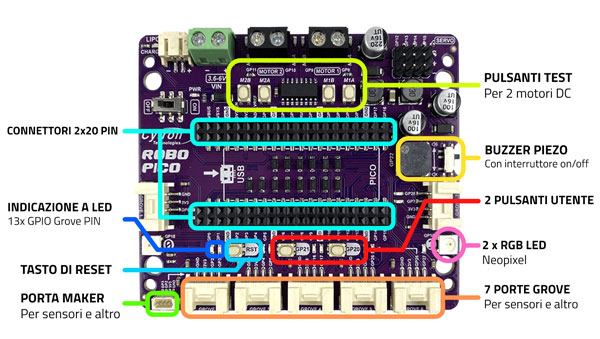
The ROBOPICO is more than just an expansion board. With a dual-channel DC motor driver, 4 servo motor ports, 7 Grove ports, a Maker port, two RGB LEDs and a piezo buzzer, this board offers endless possibilities.
|
|
Package contents
|
|
|
| Documentation and useful links |
|
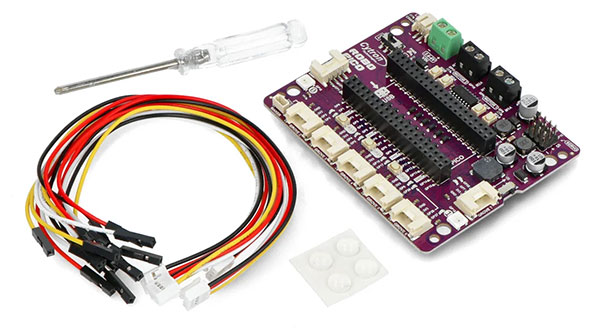
Technical details
| Number of motors supported | 2 DC motors |
|---|---|
| Motor supply parameters | 3.6 V to 6 V |
| Servo pins | 4 |
| Status indication | 13 LEDs showing the operating status of the GPIO pins |
| Number of utility buttons | 2 |
| Grove connectors for peripherals | 7 universal I/O: digital, analogue, I2C, SPI, UART, etc |
| Development environment | C/C++, MicroPython, CircuitPython, Arduino |
| Dimensions | 88 x 72 mm |
| DC motors and servos | make things move |
You may also like…
-
 Motors
 -
 Motors
 -
 Actuators
 -
Actuators
-
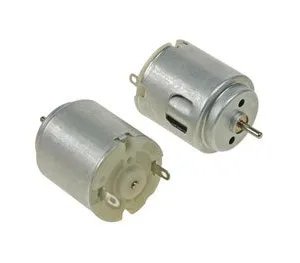 Motors
 -
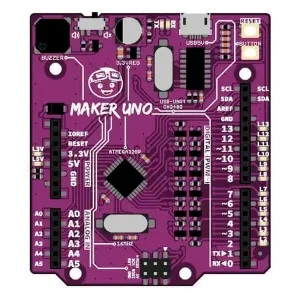 Arduino compatible
 -
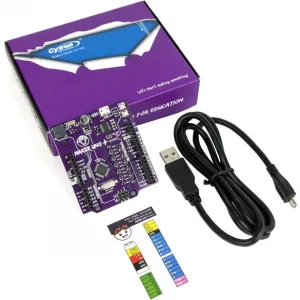 Arduino compatible
Related products
-
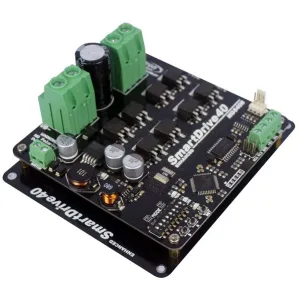 Control electronics
 -
 Control electronics
 -
 Control electronics
 -
 Control electronics
 -
 Control electronics
 -
 Control electronics
 -
 Control electronics
 -
 Control electronics