
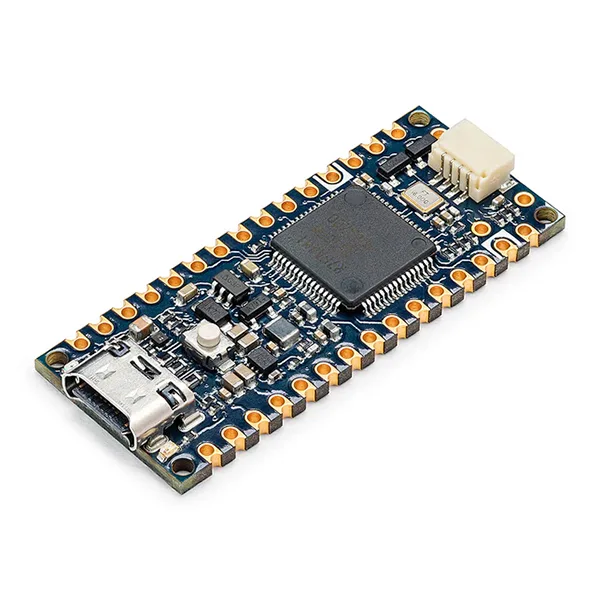
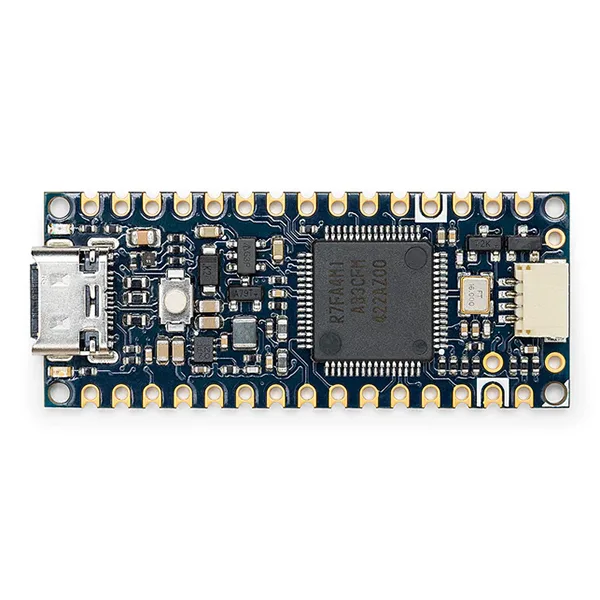
Arduino NANO R4 with Renesas RA4M, USB-C and Qwiic
SKU 7300-ARDNANOR4EAN 8058333490090Item type: Assembled, BoardArduino
Description
| brings together the ease of use Arduino is known for and the powerful Renesas RA4M1 microcontroller, for a smooth move from prototyping on the UNO R4 to production-ready applications.
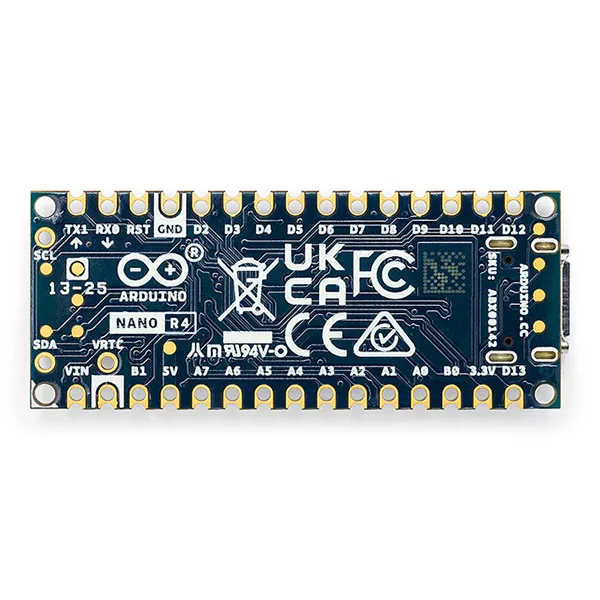
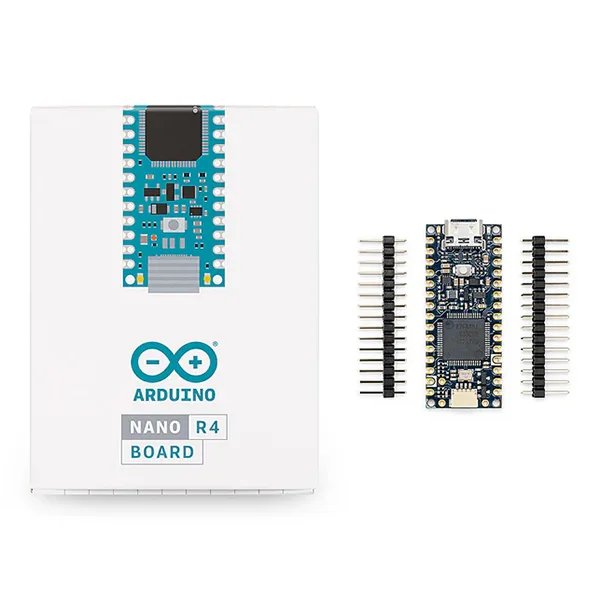
Compact and versatile, the Nano R4 keeps the same pinout as the rest of the Nano family and adds castellated side holes for easy hardware integration, a built-in Qwiic connector for quickly adding sensors and peripherals, and a programmable RGB LED for at-a-glance system feedback. Its single-sided component layout makes it ideal for products with tight space constraints and for SMD soldering onto custom carrier boards, for a fast move from bench testing to real-world deployment. Thanks to its compatibility with the best-known Arduino tools and libraries (including those for the Arduino UNO R4 Minima), the Nano R4 gives developers and designers a straightforward path to compact, connected, production-ready solutions. The Arduino NANO R4 board is supplied with header strips that you can solder on to suit your own design requirements. |
|
|
Key benefits
|
|
|
|
|
Example applications
|
|
|
|
|
Technical specifications
|
|
|
|
|
Arduino NANO R4 pinout
|
|
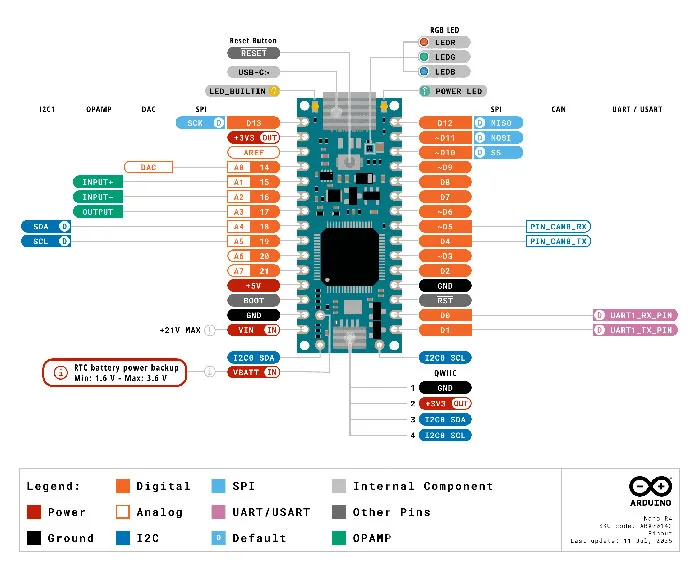 |
|
|
Documentation and useful links
|
|
Technical details
| Microcontroller | Renesas RA4M1 (Arm® Cortex®-M4) |
|---|---|
| USB | USB-C® Programming Port |
| Digital I/O Pins | 21 (every exposed pin can be used as digital I/O) |
| Analog Input Pins | 8 |
| DAC | 1 (A0) |
| PWM Pins | 6 |
| External Interrupts | 2, 3 |
| OpAmp | A1, A2, A3 |
| VRTC | J5 |
| UART | 1 |
| I2C | 2 (5V: A4 |
| A5 / 3.3V | Qwiic, J3, J4) |
| SPI | 1 |
| CAN | 1 |
You may also like…
-
 Sensors
 -
 Displays
 -
 Electronic components
 -
 Arduino
 -
 Sensors
 -
 Arduino
 -
 Sensors
 -
 Arduino
 -
 Arduino
 -
 LEDs
LEDs -
 Arduino
 -
 Arduino
 -
 Sensors
 -
 Displays
 -
 Displays
 -
 Arduino
 -
 Sensors
 -
 Arduino
 -
 Displays
 -
 Electronic components
 -
 Arduino
 -
 Displays
 -
 Accessories
 -
 Sensors
 -
 Arduino
 -
 Sensors
 -
 Sensors
 -
 Displays
 -
 Actuators
 -
 Sensors
 -
 Sensors
 -
 Arduino
 -
 Arduino
 -
 Access control
 -
 RF transmitters
 -
 Arduino
 -
 LED & strip drivers
 -
 Control electronics
 -
 LEDs
LEDs -
 Telephone remote control
 -
 Sensors
 -
 Displays
 -
 Sensors
 -
 LEDs
LEDs -
 Arduino
 -
 Arduino
 -
 Sensors
 -
 Sensors
 -
 Communication
 -
 Control electronics
 -
 Arduino
 -
 Arduino
 -
 Arduino
 -
 Sensors
 -
 Arduino
 -
 Control electronics
 -
 Microcontrollers
 -
 Sensors
Spectrometer Breakout Board with AS72651, AS72652 and AS72653 Sensors
€70.49excl. VAT€86.00incl. VAT -
 Displays
 -
 Arduino
 -
 Arduino
 -
 LEDs
LEDs -
 Arduino
 -
 Sensors
 -
 Electronic components
 -
 Arduino
 -
 Arduino
 -
 Displays
 -
 Displays
 -
 Displays
 -
 Sensors
 -
 Arduino
 -
 LEDs
LEDs -
 Sensors
 -
 GPS
GPS -
 Educational kits
 -
 Sensors
 -
 Arduino
 -
 Displays
 -
 Displays
 -
 Arduino
 -
 Control electronics
 -
 Arduino
 -
 LEDs
LEDs -
 Actuators
 -
 Arduino
 -
 Sensors
 -
 Arduino
 -
 Actuators
 -
 Sensors
 -
 Control electronics
 -
 Robots
 -
 Infrared
 -
 Access control
 -
 Sensors
 -
 Sensors
 -
 Sensors
 -
 Displays
 -
 STEM
STEM -
 Buttons, switches & joysticks
 -
 Accessories
 -
 Displays
 -
 Displays
 -
 Displays
 -
 Robots
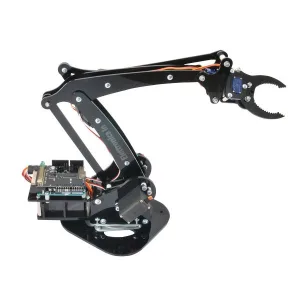
Articulated plexiglass robotic arm with 4 degrees of freedom and rotating base
€72.95excl. VAT€89.00incl. VAT -
 USB cables
 -
 Arduino
 -
 Robots
 -
 Arduino
 -
 Sensors
 -
 Arduino
 -
 Displays
 -
 Arduino
 -
 Arduino
 -
 Arduino
 -
 Sensors
 -
 Sensors
 -
 Sensors
 -
 Sensors
 -
 Component sets
 -
 Sensors
 -
 Sensors
 -
 Sensors
 -
 Sensors
 -
 Sensors
 -
 Sensors
 -
 Arduino
 -
 Sensors
 -
 Sensors
 -
 Sensors
 -
 Sensors
 -
 Sensors
 -
 Arduino compatible
Advanced LEGO-compatible Electronics Kit for Arduino and Raspberry Pi
€72.95excl. VAT€89.00incl. VAT -
 Infrared
 -
 Sensors
 -
 Robots
 -
 Control electronics
 -
 Arduino
 -
 Arduino
 -
 LEDs
LEDs -
 Sensors
 -
 Sensors
Related products
-
 Arduino
 -
 Arduino
Arduino Nano Matter – IoT Board with Pre-Soldered Strips, Matter® and Bluetooth
€21.23excl. VAT€25.90incl. VAT -
 Arduino
 -
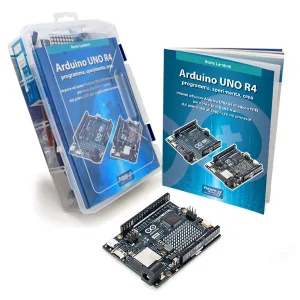 Arduino
Arduino Uno R4 Wi-Fi Kit: Discover, Experiment, and Learn with the Components and the “Arduino UNO R4” Book
€64.75excl. VAT€79.00incl. VAT -
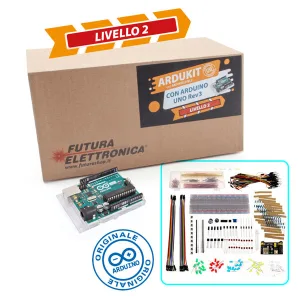 Arduino
 -
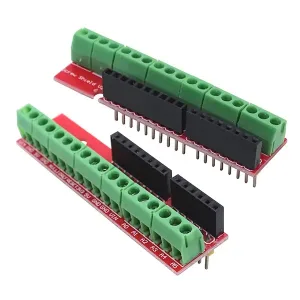 Arduino
 -
Sale!
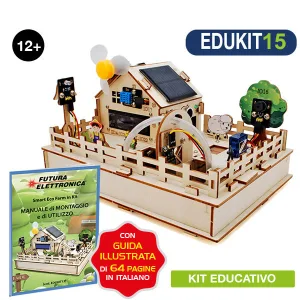 STEM
STEMSTEM – Smart Eco Farm with ESP32: Educational kit with illustrated guide and programming examples
€68.85excl. VAT€84.00incl. VAT -
 micro:bit
STEM – Easy Plug Kit with micro:bit, Sensors and Italian Guide
€108.20excl. VAT€132.00incl. VAT